Lagos: The Lagos State Primary Health Care Board (LSPHCB) says infection prevention and control (IPC) measures remain firmly in place across the state’s primary healthcare centres.
Its Permanent Secretary, Dr Ibrahim Mustafa, gave the assurance in an interview with the News Agency of Nigeria (NAN), following reports of a new COVID-19 case in Cross River State.
Mustafa emphasised that Lagos had not relaxed its guard, noting that protocols introduced before and during the COVID-19 pandemic had continued to be enforced in all primary health facilities to curb the spread of infectious diseases.
“We cannot say COVID-19 has completely left us. What has changed is that vaccination has improved immunity, making most infections milder and less likely to result in severe outcomes.”
He credited widespread vaccination and booster doses for strengthening herd immunity, significantly reducing transmission and severity of the virus in the community.
“Many residents received multiple doses during the peak of the pandemic, contributing to increased population-level protection.”
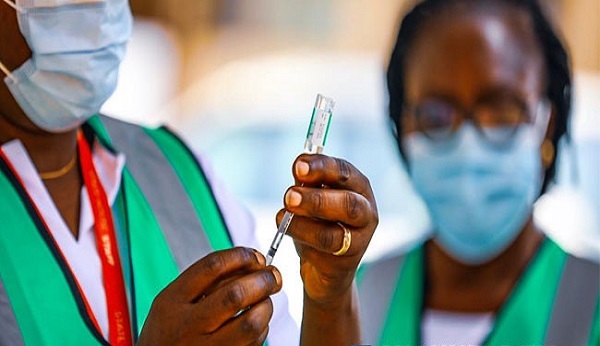
However, he disclosed that COVID-19 vaccines were currently out of stock nationwide, stressing that efforts were underway by the Federal Government to secure additional supplies.
“We had vaccines before, but they have been exhausted. The government is working to replenish stock, and once available, the public will again have access,” he said.
Mustafa emphasised that IPC protocols, originally intensified during the pandemic are now a routine part of healthcare delivery and extend beyond COVID-19 to cover a wide range of infectious diseases.
Core measures being enforced in PHCs include regular hand hygiene, use of alcohol-based sanitisers where running water is unavailable, and mandatory mask use for individuals showing symptoms of respiratory infections.
Healthcare workers are also required to adhere to strict clinical hygiene practices, including the use of gloves on a per-patient basis and proper disposal after each use to prevent cross-contamination.
“Handwashing before and after patient contact is critical. These are simple but effective measures that protect both health workers and patients,” he said.
While infrastructure and supplies for IPC are largely in place, he acknowledged the need to strengthen compliance and awareness among both healthcare workers and the general public.
He warned that lapses in basic infection control practices could increase vulnerability not only to COVID-19 but also to other communicable diseases, including bacterial and viral infections.
“COVID-19 brought IPC into the spotlight, but these measures are for all infections. We must continue to reinforce them to safeguard public health.”
Mustafa also pointed to Nigeria’s high level of internal and cross-border movement as a persistent risk factor for disease transmission, noting that Lagos, as a major economic hub, remains particularly exposed.
With continued population movement and the possibility of new cases emerging, he emphasised that sustained vigilance and improved public awareness were critical to preventing future outbreaks.
He reiterated the state’s commitment to maintaining strict infection control standards, underscoring that preparedness remains crucial to protecting residents’ health.
NAN reports that the Cross River State Government on Tuesday confirmed a fresh COVID-19 case, years after the World Health Organisation (WHO) declared an end to the global emergency phase of the virus.
Its Commissioner for Health, Dr Henry Ayuk, said the index case, a 53-year-old Chinese national who worked in Akamkpa Local Government Area of the state, arrived in Nigeria on March 17.
He later developed symptoms of the disease and tested positive for it.
The Nigeria Centre for Disease Control and Prevention (NCDC) confirmed the case, saying it had been isolated and managed according to standard protocols.
“The patient is in stable condition and responding to care,” NCDC D-G, Dr Jide Idris said.
NCDC further moved to douse public anxiety following the confirmation of the case, maintaining that there are currently no signs of widespread transmission.
“All identified contacts are being followed up appropriately, and there is no evidence at this time of widespread transmission,” Idris said.