LAGOS — A public health expert has called for an urgent shift in Nigeria’s dietary habits, warning that poor nutrition is fuelling the rising burden of diabetes across the country.
Dr Akujuobi Igwe, an epidemiologist and public health consultant, made the call in Lagos, urging Nigerians to move away from highly processed foods and adopt diets rich in fibre, fruits and vegetables.
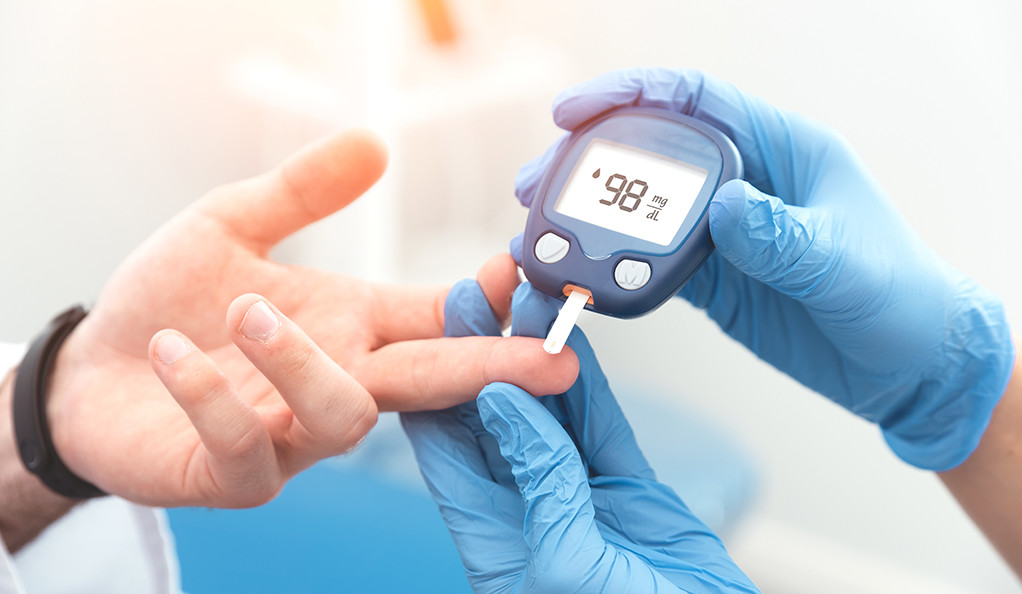
He explained that diabetes mellitus, a non-communicable disease, results from either insufficient insulin production (Type 1) or the body’s inability to use insulin effectively (Type 2).
According to him, unhealthy eating patterns characterised by excessive consumption of processed foods and low intake of fruits and vegetables are major contributors to the disease.
Igwe stressed the importance of moderation and timing in food intake, noting that lifestyle changes are crucial in both preventing and managing Type 2 diabetes.
“Be conscious of what to eat, when to eat and the quantity consumed. Reduce refined foods and increase fibre-rich diets, fruits and vegetables,” he said.
He also warned against high-calorie diets, which could lead to obesity and insulin resistance, while advocating regular exercise, avoidance of smoking, and reduced intake of alcohol and energy drinks.
The expert noted that global diabetes prevalence is rising, with projections indicating that by 2030, over 500 million adults may be affected.
He cited a World Health Organisation (WHO) report indicating that more than 24 million adults in Africa are living with diabetes, adding that Nigeria accounts for a significant proportion.
Igwe attributed the rising prevalence in Nigeria to urbanization, poor dietary habits and an ageing population, noting that the disease remains less common in rural areas where traditional lifestyles persist.
He called for stronger regulation of food products and increased public awareness, warning that widespread consumption of unregulated processed foods could have severe health consequences.
He also emphasised the importance of regular medical check-ups, noting that early detection of prediabetes could be reversed with proper medical guidance.