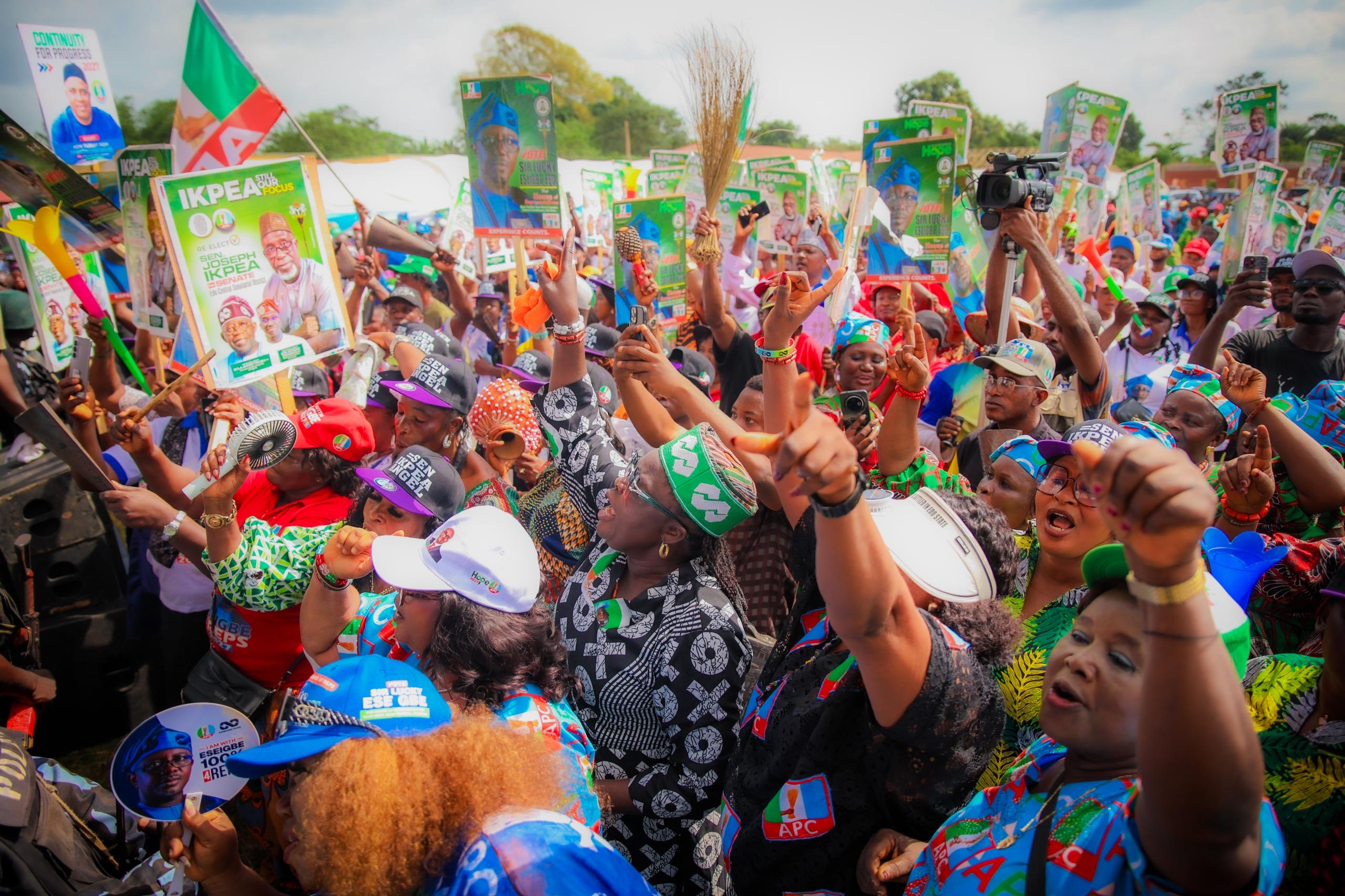
The scramble for tickets ahead of the 2027 general elections has already begun, and nowhere is the turbulence more visible than in the ongoing House of Representatives nomination process. Across party lines, primaries and consensus arrangements have produced a mix of expected endorsements, shock upsets, and bitter fallouts. For many federal lawmakers seeking reelection, the dream of returning to the Green Chamber has ended abruptly.
The implications go beyond individual careers. The churn in the House of Representatives is a leading indicator of voter mood, party dynamics, and the shifting balance of power ahead of 2027.
The Nomination Process So Far
Nigeria’s major political parties – APC, PDP, LP, and NNPP – have all held various stages of their candidate selection processes for the 360 House of Representatives seats. While the official INEC timetable for the 2027 elections is still pending, internal party timelines have pushed primaries forward to secure early momentum and avoid last-minute litigation.
In several states, party leadership opted for consensus candidates to reduce friction. In others, direct and indirect primaries produced bruising contests. The result: a significant number of sitting members failed to secure the return ticket.
Why Incumbents Are Falling
The failure of reelection bids by sitting lawmakers is not new in Nigeria’s Fourth Republic. But the scale in this cycle is notable. Three main factors explain it:
1. Anti-Incumbency and Performance Deficit
Constituents are increasingly judging lawmakers on visible projects, constituency interventions, and accessibility. Many incumbents who relied on party structures without grassroots engagement have been rejected. Social media and local radio have amplified voter dissatisfaction, making it harder to run on name recognition alone.
2. Party Internal Politics
Party leaders at state and zonal levels are reasserting control over ticket allocation. In some cases, governors and party chieftains are pushing loyalists to replace independent-minded lawmakers. In others, new entrants with deeper pockets have outspent incumbents in delegate mobilization.
3. Coalition Shifts and Defections
The post-2023 realignment continues. Lawmakers who defected or are perceived as disloyal to their original party platform have faced pushback. Conversely, high-profile defectors into dominant parties have displaced sitting members to accommodate new alliances.
Notable Casualties
While full lists are still being finalized, early results show casualties across all six geopolitical zones. In the North West and North Central, several two-term and three-term members lost to younger challengers campaigning on “fresh blood” platforms. In the South and South East, zoning agreements and ethnic calculations have displaced incumbents who previously enjoyed smooth renomination.
The pattern is clear: longevity in office is no longer a guarantee. Even lawmakers with committee chairmanships and visible federal appointments have not been spared.
What It Portends for 2027
The current House shakeup signals four things for the 2027 elections:
A More Competitive Field
With new candidates emerging, 2027 is shaping up to be one of the most competitive House elections since 2011. Voters will have more choices, and party primaries will matter more than ever in determining the eventual winner.
Weakening of the “Career Politician” Model
The era where a lawmaker could stay in the House for 12-16 years by virtue of incumbency alone is fading. Performance, local relevance, and party loyalty are now the currency of survival.
Impact on Legislation and Oversight
A high turnover rate means loss of institutional memory. Experienced lawmakers who understand legislative procedure, budget processes, and oversight mechanisms will exit. The 11th Assembly, if it reflects this trend, may start slow on complex legislation unless capacity building is prioritized.
Testing Ground for Party Strength
The way parties manage post-primary fallouts will determine their 2027 strength. Where aggrieved aspirants defect or sabotage, the party risks losing seats. Where reconciliation works, parties can convert primary energy into general election momentum.
Voter Expectations Are Changing
Beneath the political maneuvering is a deeper shift: voters want results. The National Assembly’s reputation has suffered from perceptions of elitism and detachment. Constituents now demand constituency projects, visible advocacy on insecurity, unemployment, and rising costs, and regular feedback.
Lawmakers who failed to get the ticket often cited “lack of grassroots presence” as the reason. Those who succeeded did so by running active constituency offices, engaging traditional rulers, and leveraging local associations.
The Role of Money and Structure
Money remains a factor, but its influence is evolving. Cash-for-delegate tactics still occur, but they are less effective without grassroots structure. Candidates who combined funding with ward-level mobilization, youth engagement, and clear messaging won out.
The rise of independent media and citizen observers has also made it harder to hide underperformance. Constituents are sharing scorecards of lawmakers’ bills, motions, and projects online, creating informal accountability.
Looking Ahead
The next phase is the general election campaign. Candidates who lost at primaries will decide whether to defect, run independently where possible, or support party candidates. Party leadership will need to manage these dynamics to avoid splitting the vote.
For the electorate, the message is clear: the ballot in 2027 will reward visibility, responsiveness, and delivery more than seniority. For the parties, the challenge is to convert internal competition into electoral strength.
The House of Representatives has always been the people’s chamber. The ongoing nomination process is reminding both politicians and voters of that fact.