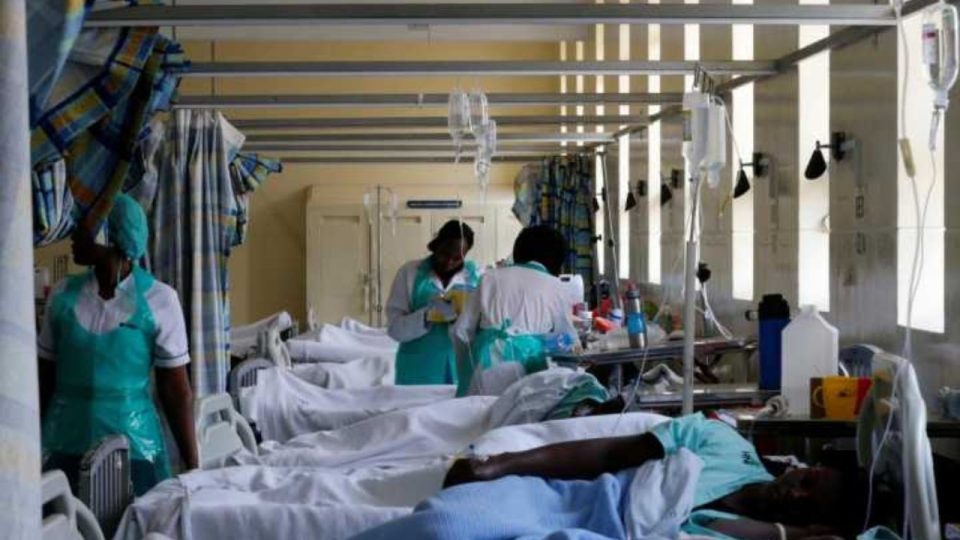
Abuja: The West African Society of Parenteral and Enteral Nutrition (WASPEN) says between 30 per cent and 45 per cent of patients are malnourished on admission into tertiary health facilities.
The Founder and President of WASPEN, Dr Teresa Pounds, said this at a virtual news conference on Monday announcing the society’s Fifth Annual Clinical Nutrition Conference scheduled for June 22 to 25 in Asaba, Delta State.
Pounds said it had become a silent epidemic, with evidence from health facilities showing that hospital malnutrition remained one of the most under-recognised threats to patient safety and recovery in spite of its far-reaching consequences on health outcomes.
According to her, the figure rises to 71 per cent among elderly patients in some hospital wards.
“The problem is that screening does not happen and hospitals lack multidisciplinary nutrition teams,” she said.
She said malnutrition affected patients across all age groups, including premature newborns in neonatal intensive care units, children with severe illnesses and adults living with chronic diseases.
According to her, patients suffering from HIV, tuberculosis, cancer, surgical conditions and other illnesses are particularly vulnerable to the effects of malnutrition during treatment and recovery.
Pounds said hospital malnutrition was associated with longer hospital stays, increased infections, delayed wound healing, higher treatment costs and elevated risks of readmission and death.
She, however, noted that nutrition care was yet to be consistently integrated into routine clinical practice across many healthcare institutions in spite of growing evidence of its importance.
Pounds called on government institutions, healthcare leaders, development partners and the media to support efforts aimed at improving nutrition care systems across the country.
“The take-home message is that malnutrition in hospitalised patients is real. It exists. We all need to recognise that it is happening because it is a hidden burden within the hospital.
“We have to identify these patients early through screening and nutritional assessment so that we can start early intervention,” she said.
She emphasised that effective management of hospital malnutrition required collaboration among physicians, dietitians, nurses, pharmacists, social workers and other healthcare professionals.
Pounds also urged President Bola Tinubu to give hospital malnutrition the same level of attention being accorded to community malnutrition programmes nationwide.
Speaking on the society’s efforts, the WASPEN president said it was established in 2019 to transform clinical nutrition care across West Africa through advocacy, education, research and interdisciplinary collaboration.
She said the organisation envisioned a region where nutrition was recognised as a human right and where every patient had access to safe, equitable and evidence-based nutrition care.
According to her, the society has evolved into a multidisciplinary movement bringing together physicians, pharmacists, nurses, dietitians, researchers, policymakers and industry partners.
Pounds said WASPEN had successfully hosted four annual clinical nutrition conferences and established Nutrition Support Steering Committees in several leading health institutions across Nigeria.
“These committees are actively improving nutrition screening, early intervention and multidisciplinary collaboration in patient care,” she said.
She said the fifth conference represented five years of sustained advocacy, partnership building, professional training and efforts to move clinical nutrition from the margins to the centre of patient care.
The conference, themed “Sustainable Clinical Nutrition Services: Ensuring Access, Safety and Collaboration,” will focus on expanding access to nutrition support and strengthening multidisciplinary care systems.
Pounds said special attention would be given to neonatal and paediatric nutrition because newborns and children remained among the most vulnerable patient populations.
According to her, experts will also participate in a specialised roundtable on safe parenteral nutrition for neonates in resource-limited settings.
Also speaking, the Medical Director, Federal Medical Centre (FMC), Asaba, Dr Ekeneam Omo, said the institution viewed the conference as an opportunity to strengthen its approach to addressing malnutrition and improving patient care outcomes.
“Before now, we had specialists handling issues of malnutrition in their various units and departments.
“However, with this awareness created by WASPEN, we hope to have a hospital-wide approach to malnutrition issues,” he said.
He said FMC Asaba had begun putting in place facilities and logistics required for a successful conference and was working closely with the Delta State Government.
“We believe that we are ready to host the conference and ensure that all the objectives of an event of this magnitude are achieved,” Omo said.