The United States’ position as a global power has been largely uncontested since the late 19th century, particularly after the Spanish–American War elevated it from a regional player to a global actor.
For much of the 20th century, U.S.–Venezuela relations were pragmatic and cooperative, grounded in trade, especially oil and mutual strategic interests. This relationship began to unravel with the rise of Hugo Chávez and later Nicolás Maduro, whose governments resisted U.S. influence and cultivated alliances with regional and global rivals, such as China and Russia, raising concerns among U.S. policymakers.
In response, Washington imposed sanctions, applied diplomatic pressure, issued criminal indictments, and refused to recognise Maduro’s legitimacy, gradually reframing Venezuela from a strategic partner into a perceived security and criminal threat. Operation Absolute Resolve thus emerged as the culmination of decades of escalating tension, rather than an abrupt intervention.
Similarly, the United States’ engagement with Nigeria, though shaped by a different historical context, reflects another instance where American influence has intersected with domestic security challenges. The two countries have maintained a long-standing relationship built on trade, security cooperation, and shared democratic ideals.
Since Nigeria’s return to civilian rule in 1999, Washington has engaged Abuja on governance, anti-corruption, counter-terrorism, and regional security, while also promoting economic partnerships and investment. U.S. policy toward Nigeria has generally combined diplomatic engagement with targeted aid and military support, particularly in efforts to counter Boko Haram and other extremist groups in the North.
Yet, as in Venezuela, U.S. actions in Nigeria have raised questions about intent, influence, and consequences.
In late October 2025, U.S., President Donald Trump formally designated Nigeria a Country of Particular Concern under the International Religious Freedom Act, citing what he described as mass killings of Christians by Islamist extremist groups and criticising the Nigerian government for failing to stop them. The Nigerian government countered that the security challenges were national in nature, affecting all Nigerians, regardless of religion, and not targeted persecution.
Against this backdrop, on Christmas Day, December 25, 2025, the United States carried out precision airstrikes against Islamic State-linked militants in Sokoto State, marking a significant escalation of U.S. military involvement in Nigeria’s security landscape.
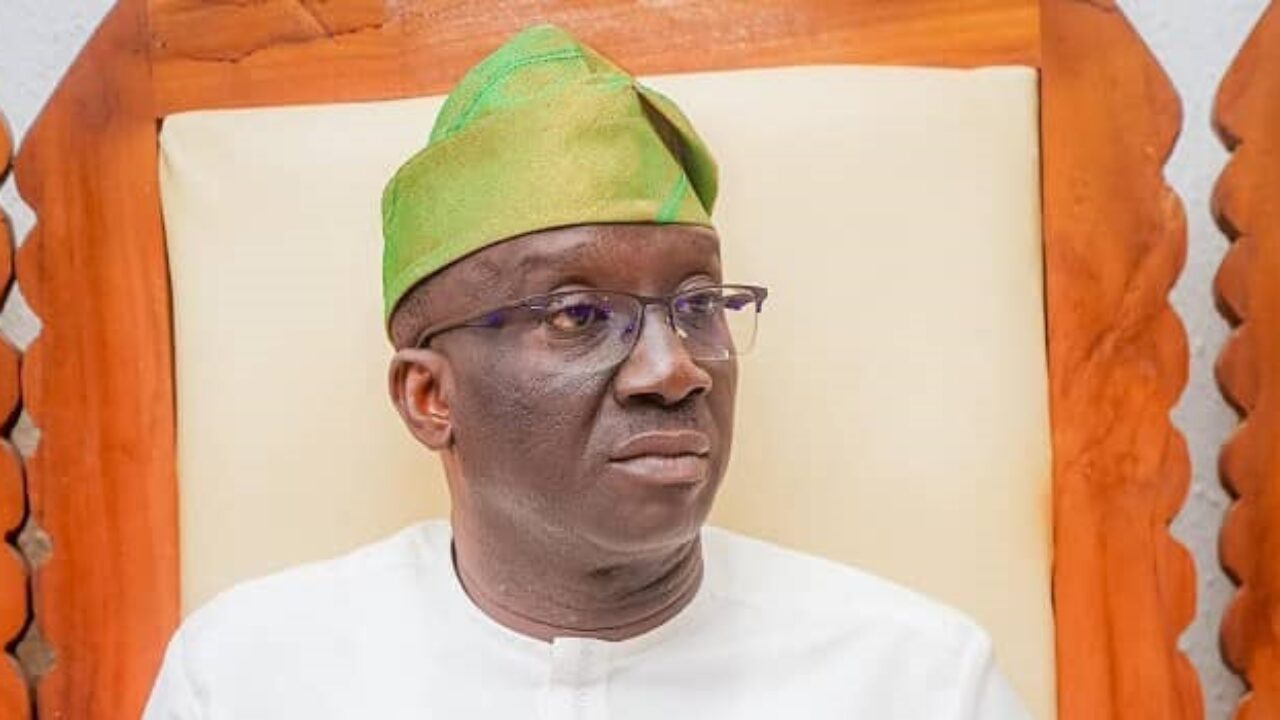
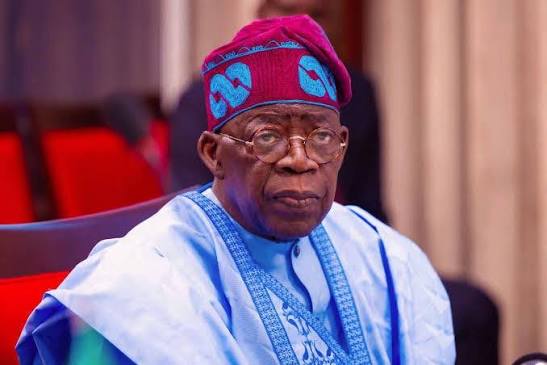
According to the federal government, the operation was jointly planned and approved by President Bola Ahmed Tinubu and executed in collaboration with U.S. forces, targeting two militant enclaves in the Bauni forest axis of Tangaza Local Government Area.
Intelligence indicated that the sites were being used as assembly and staging grounds by foreign ISIS elements attempting to infiltrate Nigeria from the Sahel, in coordination with local affiliates.
The strikes reportedly occurred between 00:12 and 01:30 hours, using 16 GPS-guided precision munitions deployed from MQ-9 Reaper unmanned aerial platforms, with no civilian casualties officially reported. Debris from expended munitions was later observed in parts of Sokoto and neighbouring Kwara State, prompting safety measures by authorities.
Nigeria’s Ministry of Foreign Affairs stressed that the strikes were part of structured security cooperation with international partners, including the United States, and were not directed at any religion or community.
The Defence Headquarters (DHQ) subsequently reaffirmed the success of the operation, describing it as intelligence-driven and effective, while urging continued vigilance to protect civilians and prevent extremist regrouping.
On January 3, 2026, the United States launched a major military operation in Venezuela, involving coordinated airstrikes and a precision mission to seize President Nicolás Maduro and his wife, Cilia Flores. The operation, codenamed Absolute Resolve, was reported by U.S. officials as successful, with Maduro and Flores captured on Venezuelan soil and flown to the United States, where they are reportedly being held in New York.
On January 5, 2026, Maduro and his wife pleaded not guilty to federal drug trafficking and related charges before a judge in a federal courthouse in lower Manhattan. The indictments allege narco-terrorism, cocaine importation, and conspiracies involving senior Venezuelan officials, accusing them of enabling powerful criminal networks such as the Cartel of the Suns, which the U.S. has designated a Foreign Terrorist Organization.
This large-scale strike was not Washington’s first use of force against the Maduro government. In the months preceding it, the U.S. had significantly escalated military pressure, including air and naval strikes against suspected drug-smuggling vessels in the Caribbean and Pacific since at least September 2025, as well as the first known U.S. land strike in Venezuela in late December targeting alleged drug facilities. These actions, conducted under campaigns, such as Operation Southern Spear and other counter-narcotics initiatives set the stage for Absolute Resolve, underscoring that it was part of a sustained campaign, rather than an isolated decision.
President Trump publicly framed the Venezuelan operation as both a defence of U.S. national security and an enforcement of hemispheric order, invoking the Monroe Doctrine as justification. The administration argued that Maduro’s government functioned, not merely as a political regime, but as a criminal enterprise whose activities directly affected qAmerican society through narcotics trafficking. Critics, however, argue that criminal indictments alone do not confer legal authority under international law for military invasion and that, absent United Nations authorisation or a clear self-defence justification, the operation raises serious sovereignty concerns. Venezuela’s vast proven crude oil reserves—among the largest in the world, also add a strategic dimension that observers suggest may have influenced U.S. decision-making beyond stated legal and security rationales.
In Nigeria, public reactions to foreign military involvement remain divided. Some Nigerians, particularly in urban centres weary of persistent insecurity express cautious support, viewing external assistance as a possible boost to Nigeria’s overstretched security apparatus. Others insist that such involvement must not come at the cost of national sovereignty or long-term self-reliance.
Ultimately, while criticisms of U.S. intervention and self-interest are understandable, the prevailing youth perspective holds that had the Nigerian government acted more decisively to address insecurity and protect its citizens, external powers would have had far less justification to intervene. This does not excuse foreign interference, but it reinforces a fundamental truth: the primary responsibility for national security and stability rests with the Nigerian government.
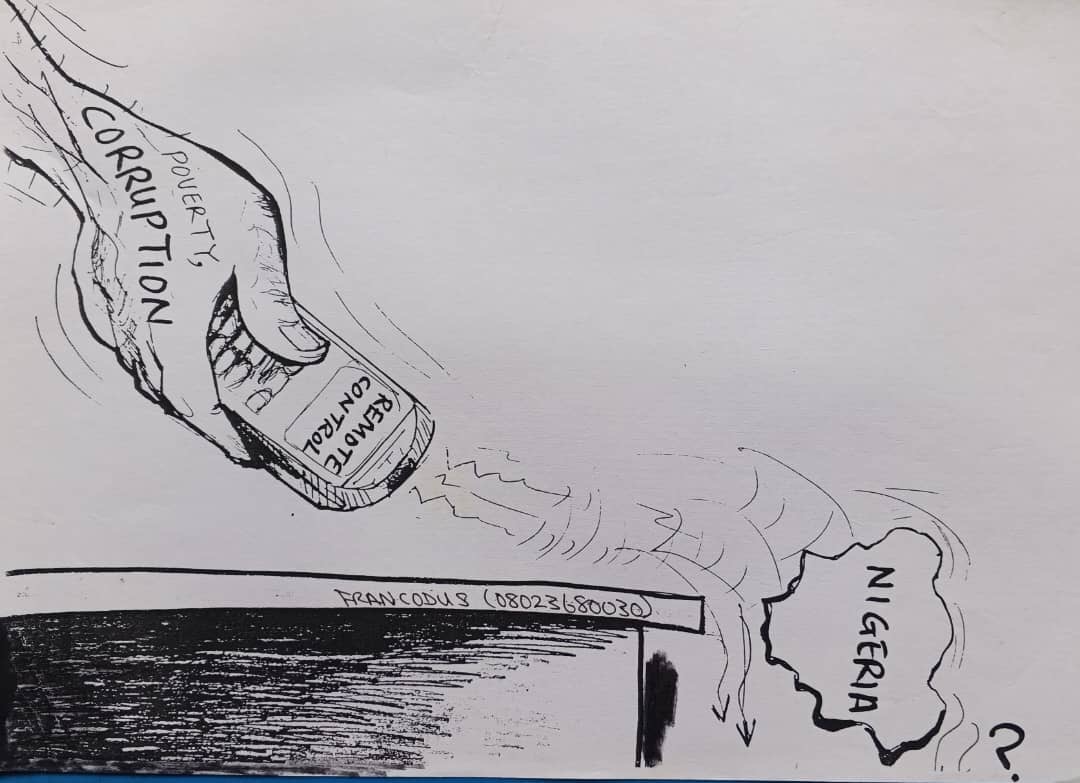
The question, therefore, remains: when will leaders fully wake up and do what is necessary? Must the country always rely on external intervention to protect its people and secure its future?