ABUJA – The Nigeria Centre for Disease Control and Prevention (NCDC) has said that the fatality rate of Lassa fever has surged in Nigeria, even as the number of confirmed cases continues to decline.
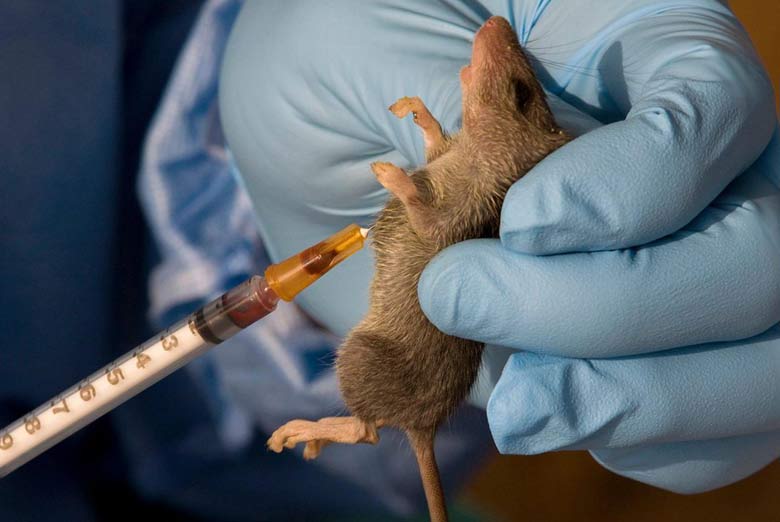
Lassa fever is a viral haemorrhagic illness transmitted mainly through contact with food or household items contaminated by infected rodents.
In its Epidemiological Week 14 report for 2026, the agency said that confirmed infections dropped from 26 in the previous week to 22, but mmdeaths among confirmed cases increased significantly.
The report showed that the case fatality rate rose to 24.8 percent, compared to 18.8 percent recorded in the same period in 2025.
According to the NCDC, the cumulative number of deaths from Lassa fever in 2026 has reached 170.
The agency said that cases have been reported in 22 states and 94 Local Government Areas across the country, with five states accounting for the bulk of infections.
These are Bauchi State, Ondo State, Taraba State, Edo State, and Benue State.
Bauchi State recorded the highest share of confirmed cases at 27 percent, followed by Ondo at 22 percent, Taraba at 18 percent, and Edo at nine percent, while Benue State also reported significant cases.
Other states, including Plateau, Ebonyi, and Kogi, also recorded infections, indicating continued spread across different parts of the country.
The report showed that people aged 21 to 30 years remain the most affected group, with cases recorded among persons aged one to 90 years. The median age is 30 years.
The NCDC also reported a near-equal distribution of cases between males and females, with a slightly higher number among males.
Infections among healthcare workers were also confirmed during the reporting period.
The agency said that although suspected cases have declined, confirmed infections remain higher than levels recorded in the same period in 2025.
It added that it is working with partners, including the World Health Organization (WHO), UNICEF, Médecins Sans Frontières (MSF), and the United States Centers for Disease Control and Prevention (US CDC), to strengthen response efforts.
Interventions include infection prevention and control training for health workers, distribution of protective equipment, active case search, contact tracing, and community sensitisation in affected areas.
Rapid response teams have also been deployed to seven high-burden states, while treatment centres continue to receive essential supplies, including Ribavirin.
The NCDC listed late presentation of cases, treatment costs, poor sanitation, and low awareness as ongoing challenges affecting response efforts.