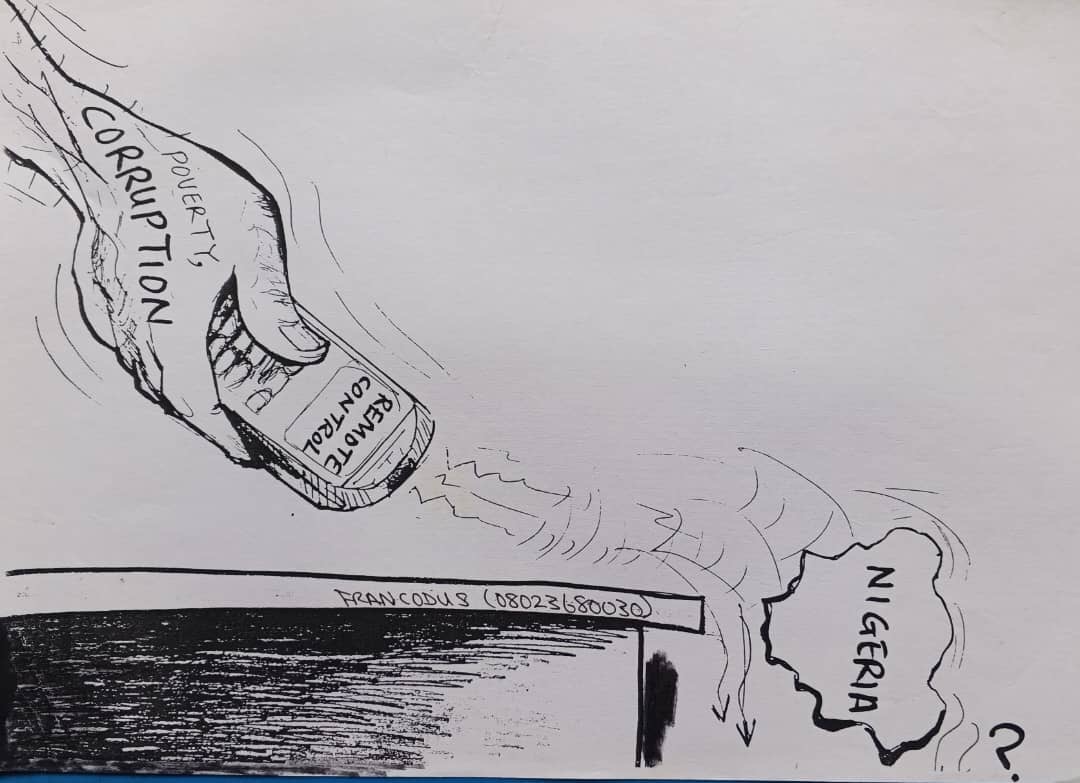
The fatal shooting of a young man reportedly linked to the University of Benin community on Sunday, May 10, 2026, has once again drawn public attention to the persistent menace of cultism, violent crime, and the growing glorification of internet fraud among young people.
Reports circulating on social media and in sections of the media identified the deceased as Alexander Omogiate, allegedly a 200-level part-time student of the institution. The incident, which reportedly occurred near the university’s main gate in broad daylight, sent shockwaves across Benin City and beyond.
While the full facts are yet to be officially established by the Nigeria Police Force, disturbing allegations have emerged suggesting the killing may be connected to disputes involving an alleged multi-million-naira fraud deal.
If true, the incident paints a frightening picture of how deeply criminal values and violent reprisals may be infiltrating student environments.
Young people involved in cybercrime, popularly known as “Yahoo Yahoo”, must understand one painful reality: criminal networks do not operate by moral rules. Betrayal, greed, retaliation and violence are often embedded in that underworld. What may begin as the pursuit of quick wealth can quickly spiral into intimidation, bloodshed and tragedy.
Beyond the criminal allegations, the incident has also triggered concerns over the handling of security matters within the university environment. Reports suggesting that warnings may have existed before the violence erupted deserve thorough investigation. If there were indeed signs of impending danger, then questions must be asked about whether adequate preventive measures were taken to avert the tragedy.
Equally troubling is the wider issue of cult-related activities within tertiary institutions. For years, universities across Nigeria have battled secret cult groups, violent clashes, intimidation and organised criminal behaviour operating under the guise of student associations. Many parents send their children to school with hopes of academic and moral development, not to become victims of violence or criminal influence.
The management of the University of Benin, like other tertiary institutions, has a responsibility to strengthen internal security mechanisms, support anti-cult campaigns, and work closely with law enforcement agencies to ensure that campuses remain safe for learning.
At the same time, society must confront the growing culture that celebrates sudden wealth without questioning its source. Too many young people are being misled into believing that fraud is a shortcut to success. In reality, such lifestyles often end in fear, prison, violence or death.
As investigations continue, the public deserves transparency, justice for the victims, and concrete action aimed at preventing future occurrences.
Nigeria’s institutions of learning must remain centres of knowledge and character formation, not theatres of bloodshed and criminal rivalry.
_________________________________
Mathew Okagha is a Benin-based journalist and media consultant.