Once upon a time when Adire was not just a fabric, but also served as a symbol of cultural identity, creativity and pride among the Yorubas such that those who couldn’t afford to get theirs felt like the world has left them, raising a silent jealousy and envy within them, or was it the period where women had pride in plaiting their natural hair of Shuku and Kolesé (all back) or the period where men boast about their occupation of hunting games and farming, or the period where elders filled with the well of wisdom are very much reliable in seeking answers to questions, where festivals are something people look out for and also a time where respect for elders is not only written on the hearts, but expressed through the gesticulation of greetings, and also an era when people valued their languages. But it is rather unfortunate that those values that people once cherished are gradually fading out due to the emergence of a concept called ‘modernization’.
While modernization is credited for introducing technology, education, urbanization as well as globalization, it has created a subtle effect of gradually replacing the true essence of our culture and tradition. This has raised a question on if modernity or modernization has helped to build or tarnish the existence of the importance of traditional culture in the Nigerian society.
Modernization is the process of updating systems, methods, or appearances to make them contemporary and suitable for present-day needs. It encompasses and blurs the line between the outdated and the current method on how things should be done.
Traditional Culture refers to the shared beliefs, values, customs, practices, and social behaviours of a particular group or society, passed down from one generation to the other, which includes language, art, music, rituals, festivals, social norms etc. which gives the culture its unique sense of historical identity.
Modernization has led to the innovation of modern technology, quality education, as well as improved communication especially with the advent of social media and globalization. Despite the advantages it presents, there are short-comings that have contributed to the gradual loss of traditional culture.
One major effect of modernization is the loss of native languages. It is no longer news that people take pride in their ability to be able to communicate effectively in foreign accents and languages and become ashamed to do the same to their mother tongues because they now see their indigenous languages as outdated. This was as a result of the early contact of these cultures with foreign countries which was as a result of colonialism. For instance, Nigeria was colonized by Britain, and she ended up adopting the English language as part of the predominant languages such that there are limited opportunities for those who cannot communicate with it, hence, the younger generations met such occurrences and decided to run with it. In fact it has grown worse because most parents don’t know their native language and talkless of teaching their children. The implication is that it has successfully bred a generation who will not value what their culture has to offer because it has been watered down.
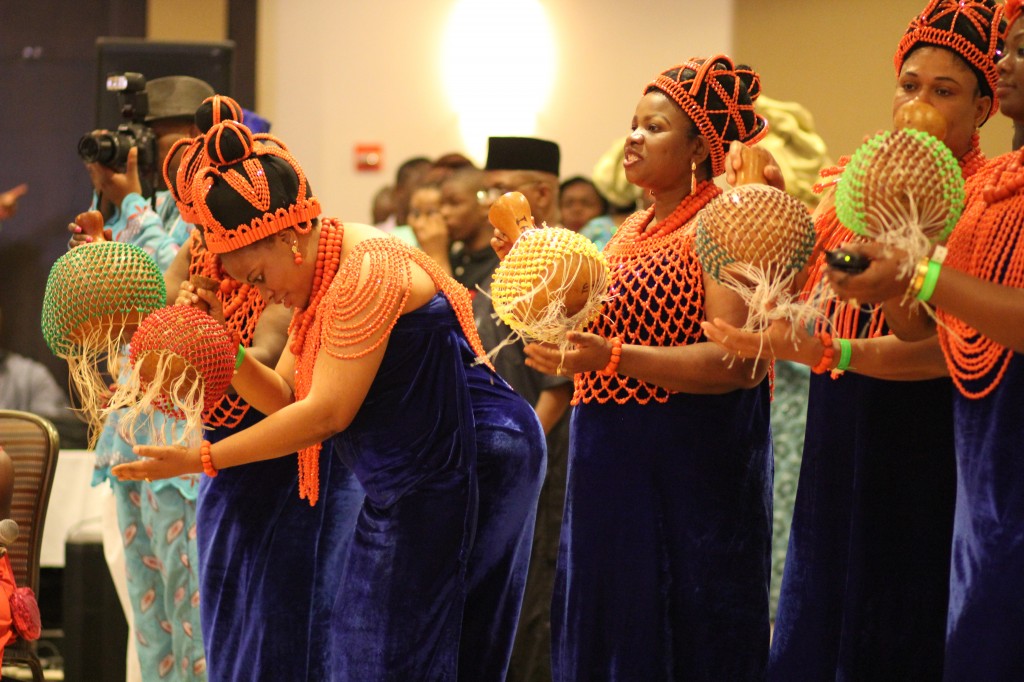
Changes in dressing and lifestyle are another gruesome effect of modernization. In the past, people listened to traditional music, anticipated entertainment like Cultural dance, and appeared with decent hairstyles, dressing and behaviour. All these have gradually been replaced by modernity such that people who still hold onto them are called ‘archaic’, especially in this present generation of the Gen-Zs. For instance workplaces or corporate organizations demand that their staff appear in Corporate wear such as Suit, tie, blouse and trousers which demean cultural fabrics like Adire, Ankara, George, Lace and even Kampala. Indecent dressing has ravaged the society such that the delicate parts of the body which ought to be covered by clothing are opened for public display without having an iota of feeling remorseful. Some hairstyles like dreadlocks if not properly presented can mistake the carrier of such for a mad person. These and many more have heightened the rate of social vices and crimes in the Nigerian society.
Furthermore, it has contributed to the decline in traditional values. The widely used social media and modern entertainment has disrupted certain traditional practices in the sense that it has incurred loss of respect for elders i.e. On social media platforms especially on X, we will realize that the shortcomings of any government, pastor or society authorities are being dragged, insulted and disrespected without any form of fear or honour. Also, people have thwarted the original way of greeting in their culture to adopting the modernized way of ‘handshakes, hugs, and pecks on the cheeks’ which when compared to the Yorubas is totally different where the male will prostrate on the floor, and the ladies are on their knees.
Despite the shortcomings of modernization, it has contributed immensely to the advancement of society especially in a developing one like Nigeria in terms of better education. Modernization is what resulted in the 6-3-3-4 system of education she now practices. It has also improved school infrastructure in both Government and private sector, training teachers, producing a young, skilled workforce ready for global Markets and also expanded access to quality education, especially for Students in remote parts of the country.
Furthermore, modernization has enhanced communication through the widespread use of Smartphones, social media platforms i.e WhatsApp, Twitter now known as X, Instagram, TikTok etc. which has helped to strengthen the connection of persons within and outside the country. Businesses also have benefitted from it such that the barrier of having clients and contracts has been blurred to the extent they can reach out to their partners within or outside their geographical location through mail, zoom or google meet which has countered the ‘face-to-face’ method of conversation.
In addition, modernization has contributed to the economic growth of societies. It has helped to cause a shift in the Gross Domestic Product (GDP) growth through sectors like Oil and gas, e-Commerce, entertainment, Content creation, telecommunications, and most importantly created job opportunities for Nigerian youths.
As much as modernization has contributed a lot to the development of societies, it should erode the place of culture, instead these cultures should be upheld with high-esteem and preserved for the generations to come because it helps to give identity, preserves history, promotes unity, and connects generations. Hence, societies should guard against losing their identity because modernization is expected to improve our lives, and not erase the value of our traditions which define who we are.