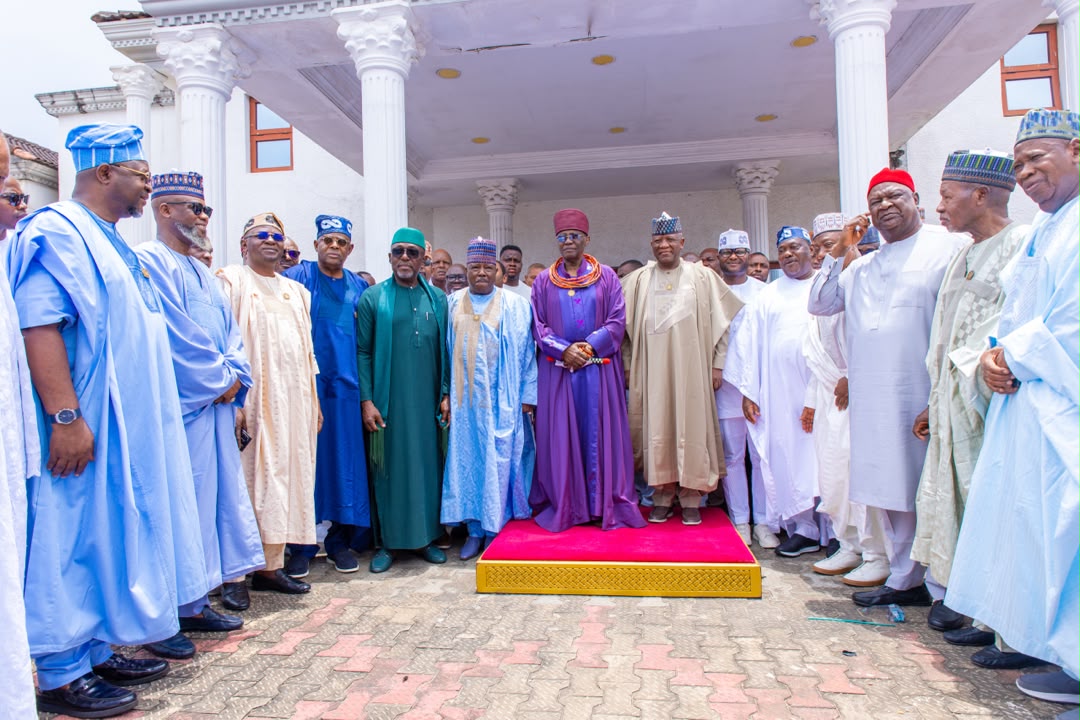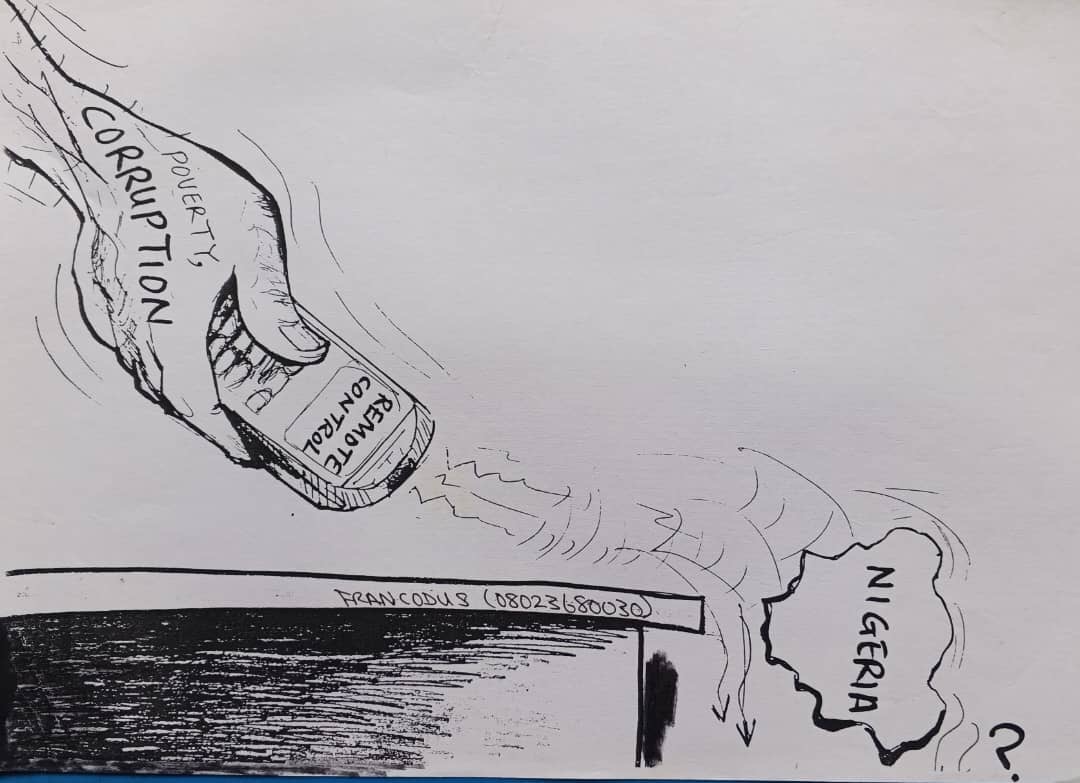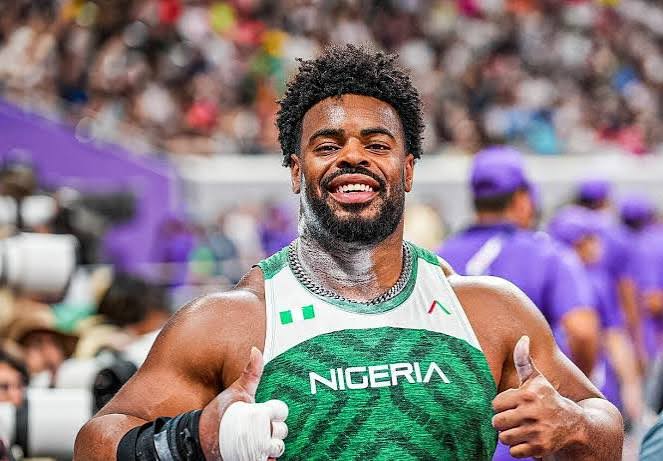
The Commonwealth Games 2026 are rounding off this weekend in Glasgow, and the Games should have been about competitions, Personal Bests, Games Records, and national pride. Instead, for Nigeria, it became about something else entirely: athletes being paid “koro-koro” by officials — a Pidgin English term for face-to-face, cash-in-hand. The administrators failed to realize that this is not one of those “catch them young” events in Ajegunle. This is a global sports event for the best athletes in the Commonwealth. The magnitude of shame displayed by the Nigerian officials was overwhelming. Envelopes, cash changing hands, cameras clicking in full view of the world.
From the opening day of competition, after Roland Ezuruike won silver in Men’s Lightweight Para Powerlifting Group A and got $2,000 instant cash, videos and photos surfaced of officials from the National Sports Commission paying athletes in cash right inside competition venues. That kind of sight has not been seen anywhere else in Commonwealth Games history. It looked less like elite sport management and more like a roadside transaction under the Mararaba-Nyanya bridge between a wristwatch hawker and a passerby. Even before the internet era, ledgers and cheques were used to pay athletes at global sports events, not cash in hand.
In 2026, when money is transferred in split seconds, such optics were painful to see. It lacked every form of class and professional imprint. While other nations were talking about data analytics, sports science, and recovery protocols, our delegation was pictured smiling and sharing dollar notes as if it were an owambe party somewhere in Ijebu-Ode.
The comparison many made was harsh but telling: administrators in Glasgow behaving like “market women” selling roasted corn and coconut. Everything had to be physical, immediate, and visible. No silent bank transfers. Just cash, now. Like NOW-NOW. “As e dey hot,” like the agbero in Mazamaza Park would demand his settlement. Our administrators stood and posed with athletes in a manner that said, “We are now rewarding athletes. Please, Nigerians, take note of this.”
The excuse given was familiar: “We are building athletes’ confidence.” The argument is that because Nigeria has a long history of owing athletes, paying cash on the spot proves we won’t default this time. But the Bukola Olopade and Shehu Dikko “koro-koro” approach will not produce world-class athletes. This is not how Americans produce sprint stars or how the Australians conquer the pool. This Koro-Koro approach will not produce confident and professional sportsmen. It will only produce dependent athletes who fade away after retirement.
Confidence is not built with flashy dollar notes and photo ops. Confidence is built with structure, contracts, and systems that athletes can trust before they even board the plane. This Koro-Koro and “market women” approach is not how to correct poor preparation. For the Glasgow Games, on preparation and logistics, I must commend the DG, Bukola Olopade, for the manner in which the team was transported, housed, and kitted. They scored highly in this regard in Glasgow, and it is one of the best I’ve seen. But on payment, it is not prime or modern, and it still shows a level of crudeness in the administration of our sports.
For context, this is not the first time we’ve been here. Nigerian athletes and footballers have been complaining about administrators for decades, and the complaints all sound the same. Perhaps the reason for this crude and primitive payment system is a deep distrust born from years of broken promises.
Go back to the 1996 Atlanta Olympics. The gold-winning Super Eagles had to threaten a boycott before their allowances and bonuses were paid. Even after winning gold, they were treated like beggars. Jay-Jay Okocha said in a recent interview that they were owed and disrespected all through the tournament, to the extent that they had to start buying food from outside their hotel rooms.
At Sydney 2000, players including Yakubu Aiyegbeni and Bright Igbinadolor were reported to have confronted officials at the airport over unpaid allowances — an incident that summed up years of frustration. According to reports, both players held the official by his clothes at the international airport until the money was released to avoid embarrassment.
In 2002, after the World Cup qualifiers, the revenue-sharing formula between the Super Eagles and the Ministry of Sports became a crisis. According to Sunday Oliseh, proceeds meant for players were withheld as the Sports Ministry and football federation wanted a lion’s share of the FIFA bonus. Senior players were dropped, and Nigeria ended up going to Korea/Japan 2002 with a team lacking cohesion and experience.
In 2004, the Super Falcons staged a sit-in for three days at their hotel in South Africa after winning the African title until their allowances were settled. The girls refused to leave until officials released their money. President Obasanjo had to intervene to prevent further international embarrassment.
In 2010, during the World Cup in South Africa, the Super Eagles threatened to boycott their final group game against South Korea because bonuses were not paid. The NFF had to fly cash to South Africa to resolve it. In 2016, Mikel Obi had to pay hotel bills to save the country from international embarrassment during the Olympics in Rio, Brazil.
Athletes, from athletics, wrestling, and weightlifting have told similar stories. Medals won, then months of silence. Emails ignored. Calls unanswered. Only when there is public shame do the payments come.
The pattern is clear: administrators only move during a crisis. They do not plan. They do not budget ahead. They wait until athletes protest, then they scramble with cash to “douse the fire.”
That is why Glasgow looked the way it did. It was not policy. It was panic dressed up as transparency. A reaction to years of broken promises.
The deeper problem is the lack of professionals at the helm of sports in Nigeria. Politicians with no track records in sports or proper sports administration qualifications get elected or are appointed by the Presidency. They use every trick to win elections just to control funds and fly around the world with a retinue of hangers-on. Too many sports administrators still see athletes as laborers to be paid after work, not as professionals with contracts, rights, and career plans.
In that “market woman” approach, everything is short-term. You sell today, you collect today. There is no audit trail, no performance framework. Just vibes, Insha Allah, By the Grace of God, photo ops, and envelopes.
But elite sport in 2026 is not run like that anywhere else. You only sell your nation as a bunch of untrustworthy individuals if you carry cash from one venue to another paying athletes who have bank accounts.
So what must change? The approach must be modern and intelligent. We need to copy systems that promote excellent administrative services, not tell the world that people with zero technical expertise are in charge of Nigerian sports in 2026.
First, we have to build a workable template. Every national athlete and footballer should sign a clear contract before any major tournament. It should state allowances, bonuses, medical coverage, and payment timelines.
Second, make it performance-based and automatic. Win gold: X amount. Make final: Y amount. Qualify: Z amount. The figures should be public and paid via direct bank transfer within 14 days. No DG’s signature required.
Third, digitize everything. Athletes should have a portal where they can see what they are owed, when it was approved, and when it will hit their account. Alerts, not envelopes. Fourth, separate politics from administration. The National Sports Commission and NFF should be run by technocrats with KPIs, not by people who treat Glasgow like a trade fair.
This current cash-and-carry style is a strategy that can never work. It is not working anywhere in the world, and this should be the last time our administrators portray us as crude and uncivilized.
Until we do this, we will keep embarrassing ourselves on the world stage. Athletes deserve dignity. They should be thinking about their race, their match, their medal — not about whether someone will bring cash to the venue of the event. A modern nation needs modern sports administration. Cash-and-carry belongs in the market, not in the Commonwealth Games. God bless the Federal Republic of Nigeria.