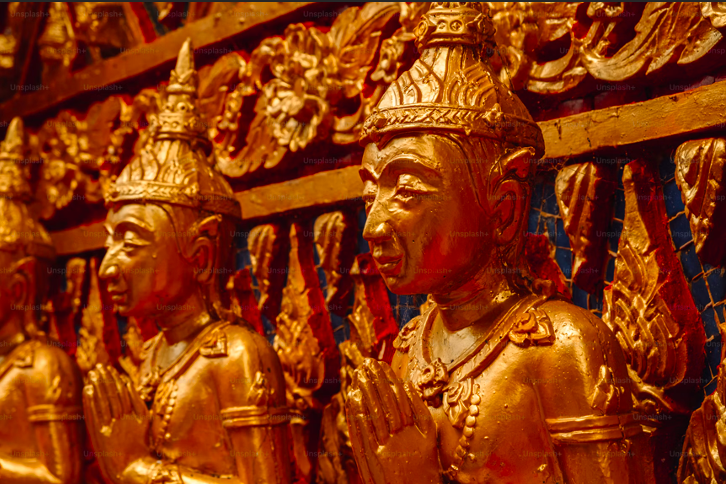
Drawing from Thai legends provides developers an opportunity to construct characters and stories using elements that are familiar and pre-constructed, as opposed to creating those elements from scratch. Some of those iconic elements include Hanuman, Naga, and Garuda. The visual elements of these characters have been constructed over a long period of time and have roots in poetry and ancient stories. Developers have an opportunity to reconstruct that history in interactive ways while not retelling the same tales. Understand what allows legendary figures from Thailand to effortlessly blend into modern digital entertainment.
Thai Legends Already Contain the Building Blocks of Games
The conflicts in legends often take the form of battles between larger-than-life figures. Those encounters translate naturally into challenges, opponents, and character abilities that can shape different types of digital games. Entertainment platforms such as Melbet casino also use familiar fantasy themes and recognizable visual elements across some game categories. Thai legends provide especially rich material through transformation, magic, supernatural powers, and distinctive mythical creatures. These elements give developers clear foundations for building characters and challenges while keeping the setting connected to Thai culture.
Thai folklore is almost endlessly deep and rich, with unique creatures and spirits that can inspire different forms of digital entertainment. Perhaps the most compelling example is the Ramakien, a poetic epic filled with intense battles, distinctive characters, and armies. Other elements of Thai legends and folklore can also be adapted to suit different types of electronic and digital entertainment.
Mythical Figures Give Designers Strong Visual Material
Local mythology offers characters with recognizable shapes, costumes, weapons, and symbolic details. Several figures provide particularly useful foundations for digital design:
- Garuda: Its wings, strength, and imposing form suit powerful characters, aerial movement, and large-scale encounters.
- Naga: The serpent-like figure supports underwater settings, temples, rivers, and supernatural abilities.
- Hanuman: His agility, combat skills, and personality make him adaptable to fast action and character-driven gameplay.
- Yaksha: These guardian figures provide distinctive faces, armor, weapons, and imposing proportions for fantasy environments.
Using these references gives fictional worlds a specific Thai identity. Designers can build original characters while keeping visual connections that local audiences immediately understand.
Adaptation Requires More Than Copying Traditional Characters
Mythology provides useful material, but successful adaptation depends on understanding what each figure represents. Removing that context can turn meaningful cultural symbols into generic fantasy designs. Digital creators therefore need to balance creative freedom with accurate research. Two areas show why that balance matters.
Familiar Stories Become More Flexible Through Interactive Design
Traditional stories usually guide audiences through a fixed sequence of events. Games change that experience by allowing players to explore settings, make choices, and directly control characters. Platforms connected with searches such as Melbet login Thailand reflect this broader preference for digital entertainment built around active user interaction. Interactive formats can keep familiar themes recognizable while giving audiences greater control over how they experience the content. A traditional legend can therefore become playable without requiring developers to completely rewrite its original narrative.
This flexibility also allows minor characters or locations to receive greater attention. Developers can expand a single encounter into a level or build mechanics around one supernatural ability. Players still recognize the cultural reference, while the gameplay provides something genuinely new. That approach works better than simply retelling mythology scene by scene.
Cultural Detail Makes Fantasy Worlds Feel Specifically Thai
A mythical character alone does not automatically create a convincing Thai setting. Architecture, clothing, music, weapons, language, and environmental details determine whether the wider world feels culturally connected. Accurate combinations of these elements can make fictional locations immediately distinguishable from generic fantasy environments.
Temple guardians provide a useful example because their designs contain specific decorative patterns and proportions. Similar attention can shape buildings, character equipment, and interface artwork throughout a game. Research becomes especially important when sacred or culturally significant imagery is involved. Respectful adaptation can preserve meaning while allowing designers considerable creative freedom.
Modern Technology Gives Old Stories New Forms
With state-of-the-art game engines, it is easier for developers to fabricate mythical environments with intricate details such as lighting, animation, sounds, and large interactive environments. Characters can be animated using motion capture, and the audio can create a distinctive atmosphere for various locations. Many of these tools do not restrict developers in what type of story they want to tell.
Mobile platforms make it easier to distribute games based on different cultures to an international audience. Thai games can now help players experience Thai mythology without an understanding of Thai history and culture. This makes a clear story very important. A developer needs to provide enough context to unfamiliar concepts, symbols, and ideas for them to be understandable to players. This can be integrated into game design, art, and story to provide context to players in a natural way.
Local Mythology Can Give Thai Games a Clearer Identity
Local mythology is a good source for ideas on characters, imagery, and narratives which can help develop original game mechanics and interactive systems. This can help create a distinctly Thai game that is still approachable and understandable to an international audience.