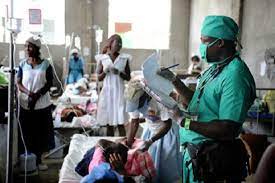
A cholera outbreak in Adamawa State, Northern Nigeria, has led to the unfortunate deaths of 12 individuals and has affected over 300 others, as reported by Health Commissioner Felix Tangwami, BBC reports.
The outbreak follows severe flooding earlier this month, which displaced more than 13,000 households and created critical health challenges for the local population. The health crisis highlights the vulnerability of communities in the region, particularly in the wake of natural disasters that disrupt sanitation and access to clean water.
The flooding has raised serious concerns about the spread of waterborne diseases such as cholera, typhoid, and malaria, which thrive in unsanitary conditions. In response to the outbreak, the state has received 200,000 doses of cholera vaccine from UNICEF, demonstrating a commitment to controlling the situation and safeguarding public health.
Health officials are urging residents to take necessary precautions and remain vigilant to prevent further spread of these diseases, emphasizing the importance of hygiene and sanitation in the aftermath of the flooding.
The situation in Adamawa is part of a larger humanitarian crisis, with UNICEF reporting that over 3.2 million people across 34 of Nigeria’s 36 states have been affected by flooding, marking the worst flooding since 2012.
Approximately 1.4 million individuals have been displaced, exacerbating existing vulnerabilities in these communities. UNICEF has mobilized resources to respond to the needs of affected populations in both northern and southern states, including Adamawa, Bauchi, Borno, and others.
During this lean season, the rates of severely malnourished children seeking treatment in nutrition centers have surged, particularly in Borno, where 8,000 more children than anticipated have received care. In the Northwest, 168,684 children have been treated, highlighting the urgent needs of vulnerable populations.
UNICEF has ensured a secure supply of Ready-To-Eat Therapeutic Food for malnourished children in the Northeast and Northwest through early 2023, aiming to alleviate the impact of the ongoing health crisis and support recovery efforts in the affected regions.