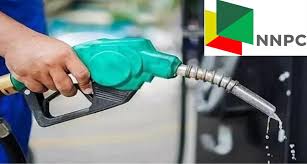
The Federal Government could earn up to N796 billion annually through a newly introduced 5% surcharge on locally produced and imported petrol, it was gathered
The surcharge is part of the Nigeria Tax Administration Act, one of four tax reform laws signed by President Bola Tinubu on June 26, 2025.
Consumers have criticised the policy, especially as it comes after the removal of fuel subsidies, warning that the new surcharge may worsen economic hardship.
Oil marketers also warned that the surcharge could increase pump prices for refined petroleum products.
The tax is aimed at boosting non-oil revenue and ensuring fiscal sustainability amid growing public debt.
The levy will be applied to all fossil fuel products—petrol, diesel, aviation fuel, etc., but exemptions include household kerosene, cooking gas, and Compressed Natural Gas (CNG).
Analysis based on 2024 data from the Nigerian Midstream and Downstream Petroleum Regulatory Authority (NMDPRA) shows that 18.75 billion litres of petrol were consumed that year. At an average price of N850 per litre, this totals N15.93 trillion.
Five percent of this amount equals N796 billion in potential annual revenue from petrol alone.
Since this calculation excludes diesel, aviation fuel, and other fossil fuels, the actual earnings from the surcharge could be much higher.
The Act stipulates that the surcharge applies to all “chargeable transactions,” including supply, sale, or payment, based on the retail price of the product.
It states, “A surcharge is imposed at five per cent on chargeable fossil fuel products provided or produced in Nigeria, and shall be collected at the time a chargeable transaction occurs.”
The Federal Inland Revenue Service, to be renamed Nigeria Revenue Service in 2026, will administer the surcharge monthly and issue further regulations for implementation.
The Act also clarifies that clean or renewable energy products, such as solar, wind, or biogas, are exempt.
The tax legislation is part of broader efforts to reform Nigeria’s tax system, improve transparency, and increase revenue efficiency.
Despite the government’s intentions, stakeholders across sectors have expressed strong opposition.
The Joint Drivers Welfare Association accused the government of using Nigerians as “lab rats” for unpopular policies.
The Association of Nigerian Refineries Petroleum Marketers warned that the five per cent surcharge could cause major disruptions to the industry and consumers, unless matched with regulatory safeguards.
Usman Ali, Chairman of the Board of Trustees, stressed the need for digital tracking systems and transparent procurement to prevent corruption and inefficiencies in the downstream sector.
While the association offered conditional support, stating that revenue from the surcharge should be tied directly to road infrastructure improvements, it warned of growing public discontent.
Jackson Omenazu, Chancellor of the International Society for Social Justice and Human Rights, also condemned the government’s move, describing it as anti-people.
“How can lawmakers approve policies that hurt the masses while increasing their own allowances?” he asked.
The Independent Petroleum Marketers Association of Nigeria (IPMAN) echoed these concerns, warning that the surcharge would eventually lead to higher fuel prices.
Chief Chinedu Ukadike, IPMAN’s National Publicity Secretary, said the surcharge would likely be factored into pre-pricing models by refineries and marketers, and indirectly passed on to consumers.
“The policy will definitely affect pump prices,” he said, adding that the association is closely watching how it will be implemented.