BY ESE AMADASUN
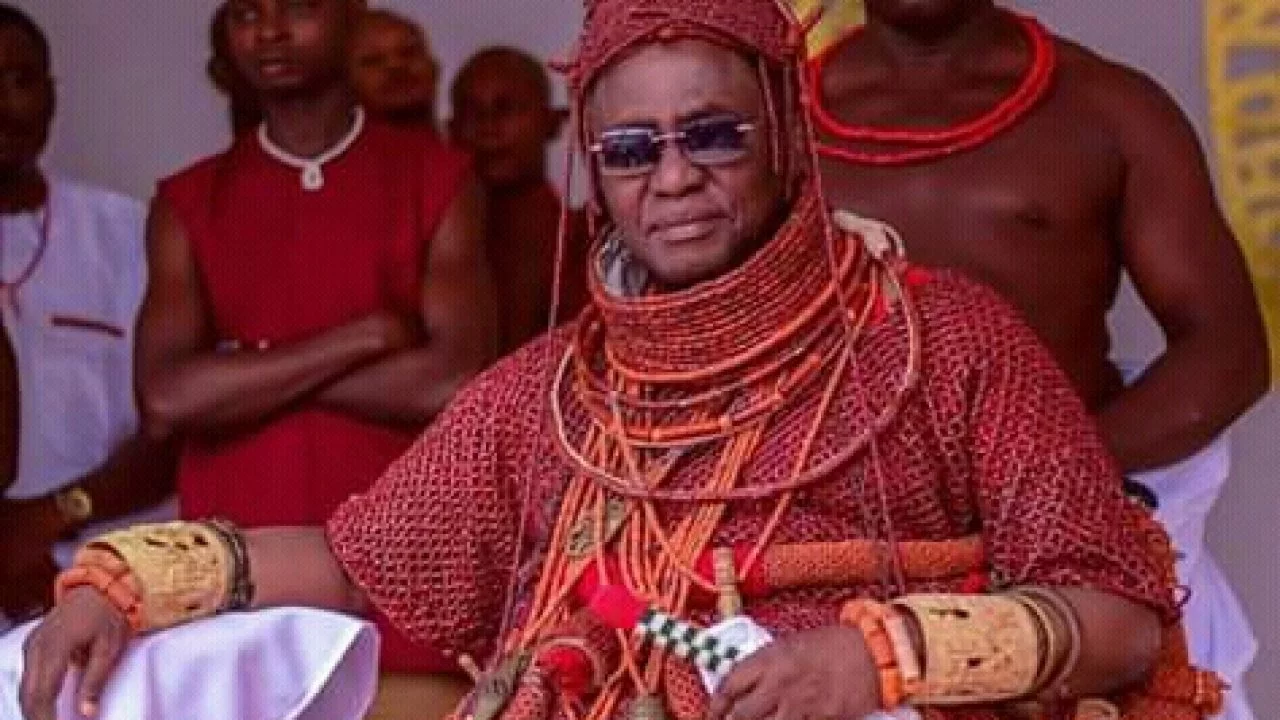
Upon ascending the ancient throne of Benin as Oba Ewuare II on October 20, 2016, Eheneden Erediauwa inherited more than a title; he assumed an 800-year-old mandate to protect the culture, dignity, and security of the Edo people. In the years since his coronation, the 40th Oba has quietly repositioned the palace as both a moral compass and a stabilizing force in public life, steering the kingdom through complex restitution talks, social crises, and local disputes.
A defining feature of his reign has been his sustained and dignified campaign for the return of the Benin Bronzes. These priceless cultural artifacts, looted during the 1897 British punitive expedition, symbolize both a historical wound and a story of resilience. The Oba’s strategic engagement with foreign museums, universities, and government bodies has helped catalyze one of the largest coordinated repatriation efforts in modern history. His advocacy has led to the formal return of several pieces from Germany, the United Kingdom, and other countries, many of which are now temporarily housed at the palace pending the completion of the new Royal Benin Museum.
The return of these works, greeted in Benin City with relief, song, and ceremony, is not merely about reclaiming objects but about restoring a vital cultural memory to the Edo people. Through the planned Royal Museum, the Oba envisions a living space for education, tourism, and cultural exchange, one that will connect the ancient Benin Kingdom to the global conversation on heritage preservation and restitution.
Ewuare II has also demonstrated a remarkable ability to translate royal authority into direct social protection. In a powerful 2018 intervention, he convened juju priests and used the palace’s spiritual authority to nullify the binding oaths that human traffickers forced upon their victims. He then publicly placed a curse on anyone who engaged in such coercive practices. International human rights organizations, including the United Nations Office on Drugs and Crime (UNODC) and several European agencies, acknowledged the initiative as an unprecedented traditional intervention against modern slavery. The move undercut one of the most effective control mechanisms used by traffickers and inspired other cultural leaders across Africa to explore community-based responses to trafficking.
Beyond cultural restitution and anti-trafficking leadership, Oba Ewuare II has repeatedly positioned the palace as a neutral forum for peace and reconciliation. He has called for calm during contentious elections, urging politicians and supporters to act in the collective interest of Edo people. His personal interventions in community disputes, such as those in Uhunmwonde, Oredo, and most notably Okuoromi—have restored calm and prevented further bloodshed. Many of these mediations draw on traditional conflict-resolution practices, combining spiritual rituals with dialogue, and have yielded lasting peace and trust.
His reign has not been without complexity. The success of the repatriation efforts has sparked robust discussions about custodianship, requiring delicate negotiation between the palace, the National Commission for Museums and Monuments, and the federal government. While dialogue has at times been tense, the outcome has largely respected both legal frameworks and traditional custodianship, ensuring that returned artifacts are safely preserved while plans for modern conservation and display are implemented. These negotiations illustrate the modern monarch’s delicate balance: safeguarding centuries-old tradition while navigating the bureaucratic realities of a 21st-century state.
Ewuare II brings to the throne an uncommon profile, one shaped by international education, diplomatic service, and deep cultural insight. Before becoming Oba, he served as Nigeria’s ambassador to several countries, including Angola, Sweden, and Italy, where he built enduring relationships that now support his global cultural diplomacy. His background in international relations and urban planning has informed a kingship that blends tradition with modern governance.
The palace under his watch has become a hub of engagement, hosting foreign envoys, development partners, and youth leaders. It has also continued to promote traditional festivals such as Igue, Ugie Ewere, and Emobo, which not only reinforce spiritual renewal but also boost tourism and cultural identity. His Majesty’s initiatives to promote women’s participation in traditional activities and his support for education, particularly through palace scholarships, further reflect his belief that culture and development must go hand in hand.
As we mark His Majesty’s coronation anniversary and birthday, the record is clear: Oba Ewuare II has used the moral weight of the throne to protect the vulnerable, revive cultural heritage, and maintain stability in challenging times. The Edo throne, under his guidance, has evolved into a modern institution that harmonizes the wisdom of the ancestors with the aspirations of a new generation.
Challenges remain, from ensuring equitable access to returned artifacts to translating reconciliation into sustainable development, but the palace has proven it can be more than a symbol; it is an active, stabilizing partner in Edo’s collective future.
On this occasion, the Edo people celebrate a monarch who has shown that tradition, wielded with conscience and vision, becomes a powerful force for social good.
Happy coronation anniversary and happy birthday, Your Majesty.
May your reign continue to unite the sanctity of history with the urgency of justice.
Oba ghato kpere, Ise!