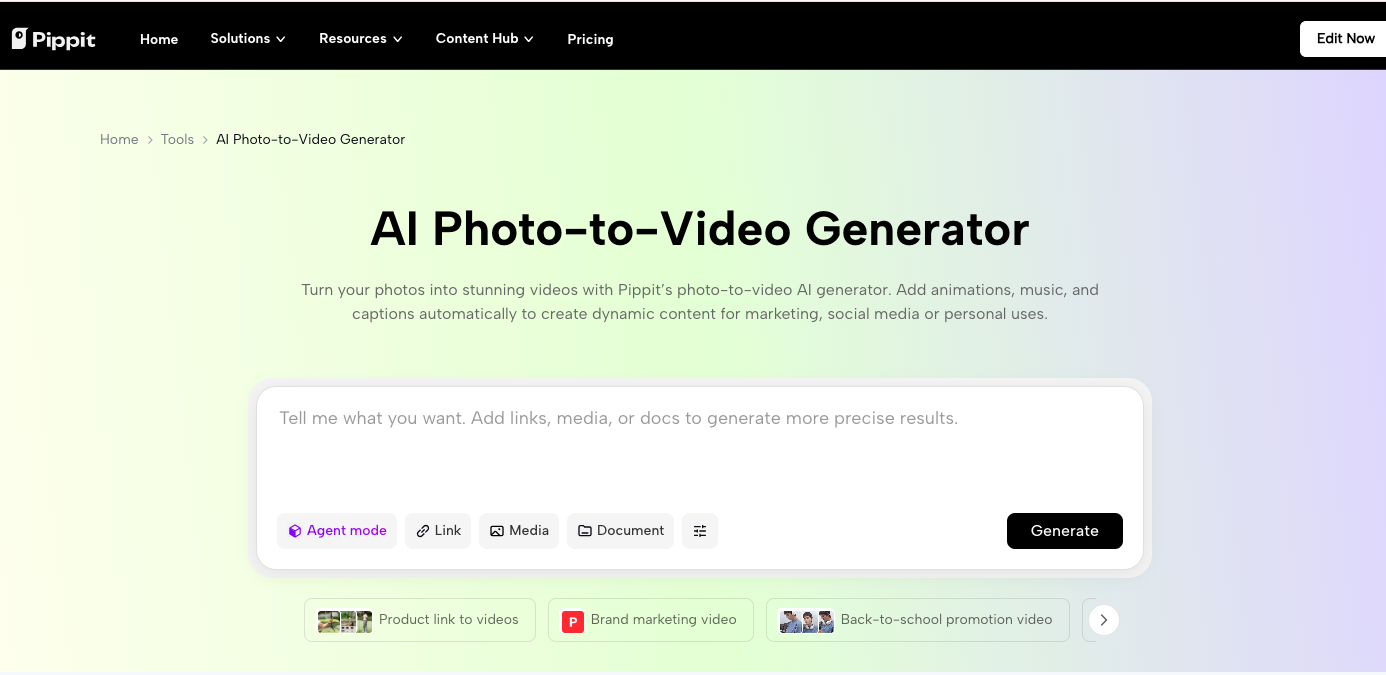
A portrait only takes the face. But movement, that takes the soul. In today’s digital era, static images are insufficient to retain viewers. With photo to video AI, even a single portrait can be turned into a realistic, moving video that talks, smiles, and responds.
This revolution changes how brands connect with people. Its not getting rid of that human feel at all. Its more like stretching it further, you know. Picture your ambassador chatting with viewers, no video shoot needed. Or an employee sending a custom message right from a snapshot. Pippit pulls that off. It takes those flat portraits and spins them into lively video bits. Realism mixes with a bit of creative spark there. The whole storytelling side got flipped into the digital space.
Reimagining still portraits
Photos used to stand for something fixed, lasting. But now, with all this short video stuff and visual stories everywhere, a still shot just sits quiet. Kinda loses its voice. Movement though, that adds real life to the picture. It pumps in warmth, makes things feel present, packs in emotions you can’t get from something frozen.
Brands can grab those quick moments by animating portraits. A little nod, a quick look, that smile popping up. Makes the person seem alive, real, someone you could reach out to. It bridges that gap between keeping it pro and showing some personality. Between straight branding and building actual connections with folks. So what ends up happening. The crowd skips seeing just an image. They sense a person there.
How photo-to-video redefines creativity
All this becomes possible due to the brains behind photo to video. It does not merely bring an image to life; it reads features, texture, and lighting to create smooth, life-like motion.
That’s the way a straightforward headshot is transformed into a dynamic, cinematic one. The technology follows the shape of the face, simulating actual movement without stiffness or distortion. The finished video doesn’t have an automated feel, it has a living feel. For marketers, that means no cameras, no studios, and no hassle with logistics. A single portrait can be a digital multi-use asset, ideal for campaign introductions, intros, or tailored brand greetings.
Humanizing ambassadors in motion
Brand influencers are not just faces, they are the connection between brands and humans. Animated portraits enable them to be everywhere, without physical constraints.
A single photo can now become:
- A brief intro video
- A friendly greeting
- A cycling animation
- An announcement
When visuals speak
The illusion gets even stronger once you mix in the audio with those visuals. Brands have this lip sync AI thing that lets them bring portraits to life, syncing up real spoken words just right. You take a pre-recorded script or voiceover or even a slogan, match it perfectly to the facial movements, and it fools people into thinking about its live talk.
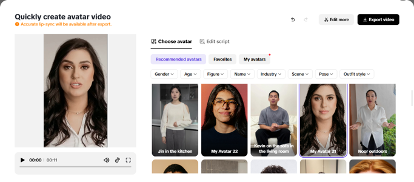
This tech really shakes up how we communicate. Like a founder could talk straight to customers without ever filming anything new. Or a model sharing details about a product. Brand ambassadors reach crowds directly, even if they are nowhere near. Lip sync adds that real feel and layers in some depth, so the animation does not come off stiff or fake. It’s the kind of communication that flows naturally, pulls you in, and hits right away.
The invisible force: video agent automation
You know, every smooth video out there relies on this behind-the-scenes setup, the video agent handling timing and switches and overall quality. It keeps the lighting steady, motion on point, tone matching up across all the parts, so the brands look stays whole.
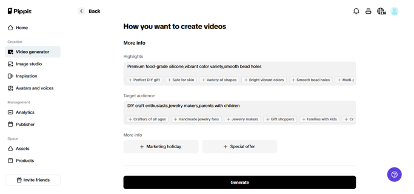
Marketers usually juggle tons of clips at once. The video agent simplifies that mess, deals with the tech side, lets the writers focus on the story and the emotions in it. Consistency happens without squashing the creative spark, turns each video into something that hangs together, works well, matches the brands voice. In this time, when cranking out content matters so much, automation does not wipe out the art. It just makes it better.
The psychology of moving faces
People have an inherent affinity towards moving faces. It is a mental response connected with empathy, upon observing movement and expression, our minds reflect those feelings. That’s why dynamic portraits hold attention more than static ones.
In those busy digital spots full of all sorts of noise, having a real presence turns into something powerful. A animated figure that moves around acts like more than just a picture. It turns into a story thats alive. The thing pulls folks closer, keeps their eyes stuck, and sticks in their mind in a way that seems real. Each little blink or head nod sends out a sense of warmth and purpose. Those quiet moves make even online chats feel more like talking to a person.
Elevating brand storytelling through movement
Brands keep pushing brand stories higher with this kind of motion. Companies grab onto animations like this to change up how they share tales. Stuff that took millions back in the day, you can pull off now with sharp details and creative ideas in just a few minutes.
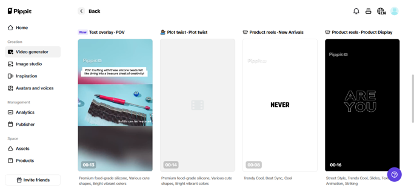
Here are a few ways businesses use those lifelike animated faces. In e-commerce, they turn product experts into chatty helpers that talk. Fashion spots bring in models who walk to show off fresh collections. Startups feature their founders strolling around in videos to raise cash from crowds. Bigger companies slip in some human touch to exec profiles, using soft moving clips at the start.
Beyond animation — towards digital realism
The future of content creation is realism, not hyperbole. Animated portraits provide marketers with a means to sustain presence without overproduction. As social media continues to mature, lifelike motion will make static imagery a relic of the past as the new normal for personal and professional narrative.
Conclusion: redefine your brand’s presence with pippit
Every brand is a brand worth remembering, ambassadors, team members, founders. Why let them sit still when connections can inspire motion?
With Pippit, you can transform portraits into realistic moving narratives, just the way you want them for intros, ads, and online campaigns. Introduce realism, emotion, and connection in each face that bears your brand.