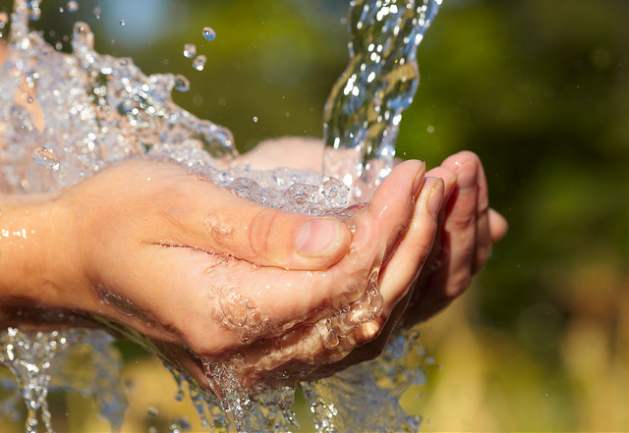
Water is the quiet hero of our everyday lives — flowing through our taps, nourishing our crops, shaping our landscapes, and sustaining every living organism on earth. Yet, despite its undeniable importance, it is often the most undervalued resource. As global populations rise and environmental pressures intensify, understanding the true worth of water has never been more crucial.
A Resource at the Heart of Human Survival
Scientists estimate that the human body is composed of about 60 percent water, but its value goes beyond anatomy. Water regulates temperature, aids digestion, lubricates joints, transports nutrients, and removes waste. Without water, even the healthiest human cannot survive more than a few days.
But beyond hydration, water is central to hygiene and disease prevention. Communities with access to clean water experience fewer outbreaks of cholera, typhoid, diarrhea, and other water-borne illnesses. Hospitals, schools, and markets depend on reliable water systems to keep their environments safe. In many rural communities across Africa and Asia, however, access to clean water is still a major struggle; women and children walk several kilometers daily to fetch water, often from contaminated streams. This daily journey affects health, productivity, and education — particularly for young girls who miss school because of water chores.
The Environmental Backbone of the Planet
Water shapes the natural world in ways we often take for granted. Rivers carve valleys, rains feed forests, and oceans regulate global temperatures. Wetlands act as natural water filters, removing pollutants and providing habitats for birds, fish, and plant species. When these systems thrive, biodiversity flourishes.
Agriculture — responsible for feeding billions — depends heavily on water availability. Crops like rice, maize, and vegetables require consistent irrigation, and livestock need water to survive. In regions where rains fail or rivers dry up, food shortages and economic hardship follow. Farmers in places like Nigeria’s northern states or East Africa know too well the devastating effects of droughts on harvests and livelihoods.
Water and the Economy: An Inseparable Connection
Beyond nature and survival, water significantly impacts the global economy. Industries such as manufacturing, textiles, mining, food processing, and power generation all rely heavily on water. Hydroelectric dams convert flowing water into electricity, supplying millions of homes with power. Tourism — from beach resorts to waterfalls — also thrives because of water.
When water resources are well-managed, countries experience greater economic stability. But when they are mismanaged, polluted, or depleted, the consequences are severe: increased production costs, unemployment, migration, and conflicts over shared water sources. The United Nations has repeatedly warned that future global tensions may arise not from oil, but from water shortages.
A Resource Under Threat
Despite its importance, water scarcity is becoming a global crisis. Climate change is altering rainfall patterns, leading to more severe floods in some places and extreme droughts in others. Rivers like the Niger, the Murray–Darling in Australia, and the Colorado in the United States are shrinking under pressure from overuse and rising temperatures.
Pollution compounds the crisis. Industrial waste, untreated sewage, oil spills, and plastic pollution contaminate water bodies, making them hazardous for both humans and wildlife. Urbanization has created a huge demand for water that many cities cannot meet. Rural communities, meanwhile, suffer from degraded streams, drying wells, and encroaching desertification.
Solutions Within Reach
Despite the challenges, hope is not lost. Governments, private organizations, and individuals can all play important roles in protecting water resources. Investing in modern water infrastructure — such as treatment plants, pipelines, and rainwater harvesting systems — ensures safe and reliable access. Energy-efficient irrigation technology can help farmers use less water while growing more food.
At the community level, education is key. Simple practices like fixing leaking taps, recycling water where possible, avoiding the dumping of garbage into drains, and planting trees can make a substantial difference. Schools and local leaders can promote awareness campaigns that help people understand the value of conservation.
Globally, scientists and innovators are developing promising solutions such as desalination technology, wastewater recycling, and smart water monitoring systems. But these solutions require political will, funding, and public participation to become widespread.
A Shared Responsibility for the Future
Water is more than a resource; it is a unifying thread that connects health, environment, economy, and human dignity. To protect it is to safeguard the future of our planet. As populations continue to grow and climate uncertainty increases, the responsibility to conserve water rests on all of us — governments, industries, and individuals alike.