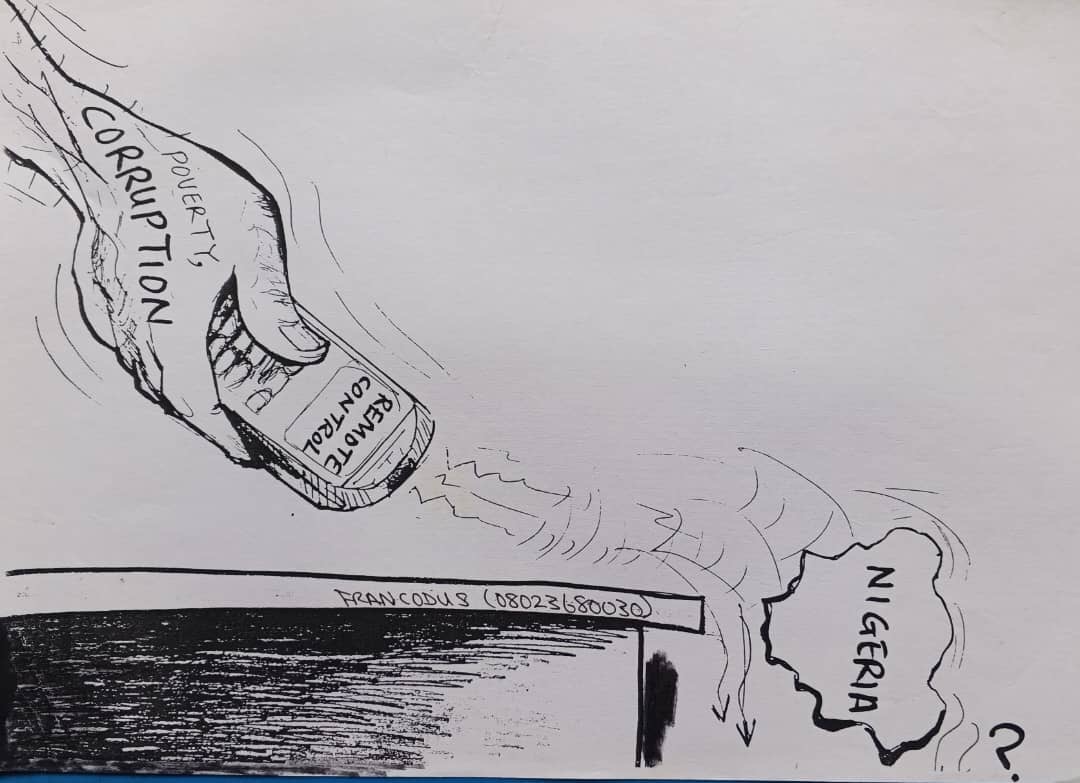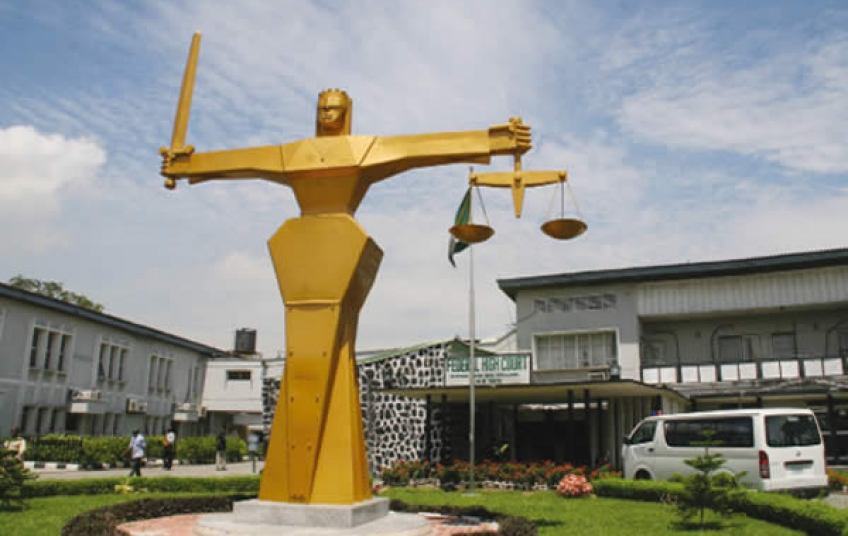
The Nigerian judiciary, a cornerstone of democracy, is facing a crisis of confidence. Successive governments, both civilian and military, have been accused of influencing court decisions, twisting laws to suit their interests. This trend has led to questionable judgments in high-profile cases, eroding trust in the system.
The 1979 presidential election dispute, where Chief Obafemi Awolowo challenged the declaration of Alhaji Shèhu Shagari as winner, set a concerning precedent. The court’s technical verdict, favoring Shagari, was seen as a nod to the ruling military junta. Fast forward to today, and the pattern continues. The recent mass defection of governors to the All Progressives Congress (APC) has sparked fears that the judiciary is enabling a depletion of opposition parties, undermining multi-party democracy.
The Independent National Electoral Commission (INEC) recently rejected a faction of the Peoples Democratic Party (PDP), citing existing court judgments and pending litigation. This move highlights the judiciary’s significant role in resolving internal party disputes and the challenges of ensuring fair play.
Critics argue that judicial interference in politics threatens party autonomy and internal democracy. The lack of clear guidelines and transparency fuels perceptions of bias, further weakening public trust. As one observer noted, “The future looks bleak with the infiltration of the judiciary, strangulating the true progress of democracy.”
The consequences are far-reaching. When courts are seen as tools for political manipulation, it discourages grassroots participation and limits citizens’ choices, a cornerstone of democracy. The Ibadan convention debacle, where INEC rejected a PDP faction’s national officers, exemplifies the judiciary’s sway over party affairs.
To revitalize Nigeria’s democracy, ensuring the judiciary’s independence is crucial. Reforms addressing transparency, clear laws for party management, and checks on external influence are needed. Only then can the quest for justice be truly served.
The question remains: can Nigeria’s judiciary reclaim its role as an impartial arbiter, or will politics continue to overshadow justice?