The concept of crime has been defined in various ways, depending on scholarly and societal perspectives. Ajibade (2011) defines crime as any act of omission or commission prohibited by the law of a state or country and punishable upon conviction. Generally, definitions of crime emphasise three essential elements: the existence of an offence, its prohibition by law, and the imposition of a prescribed punishment. Oguntunde, Ojo, Okagbue and Oguntunde (2018) similarly describe crime as any act that constitutes an offence and is liable to legal sanction.
Morrison (2009) views crime as an act or conduct that causes harm, for which the perpetrator—whether an individual or a group—should be held accountable under the prevailing laws of the state. From a religious standpoint, any act that contravenes divine commandments, as contained in sacred texts such as the Bible, Qur’an or Torah, is regarded as a crime against God, regardless of the position of secular law. Thus, an act may be morally condemnable even where it is not expressly prohibited by state legislation. In legal terms, however, crime refers strictly to conduct defined and sanctioned by the laws of a particular country, with penalties enforced by constituted authorities.
Nigeria has witnessed various forms of crime over the years. Adisa (1994) observed that in 1993 criminal elements operated with considerable audacity in Lagos State, perpetrating violent offences such as highway robbery, extortion and the looting of commercial establishments. Other states—including the Federal Capital Territory (Abuja), Delta, Kano, Plateau, Ondo, Oyo, Bauchi, Adamawa and Gombe—have also recorded high levels of criminal activity (Pelumi, Oluwadare, Hilary and Omoleye, 2018).
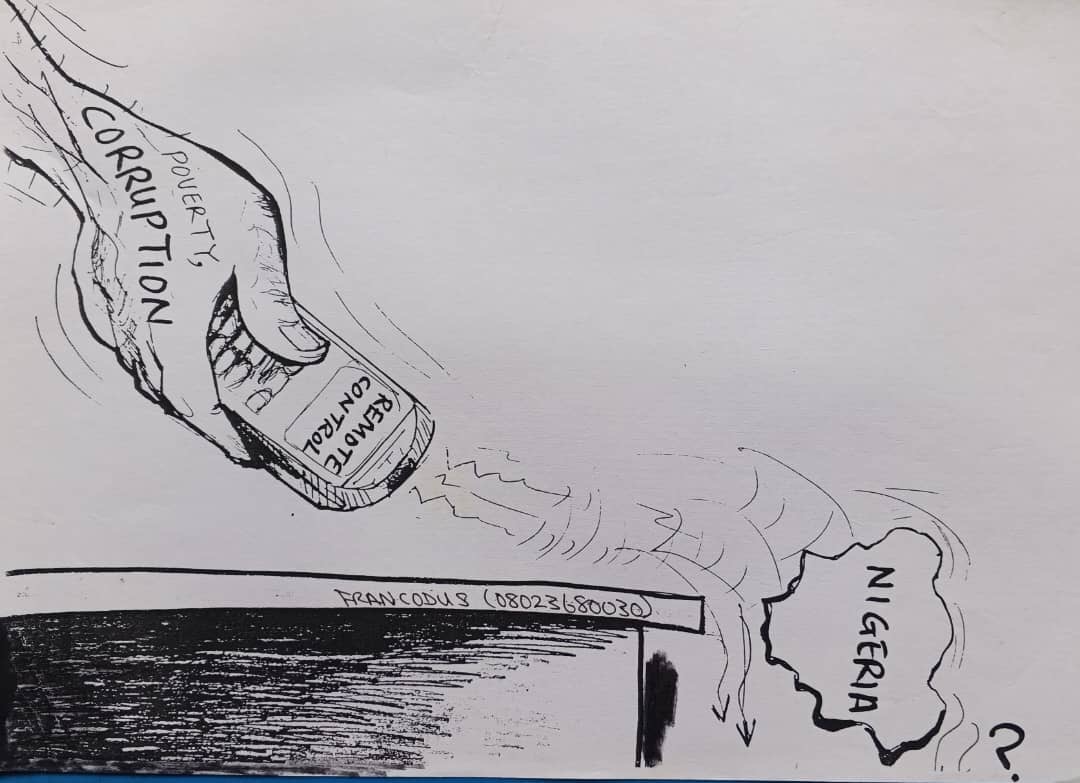
More specifically, crimes in Nigeria include rape, kidnapping, murder, burglary, fraud, terrorism, armed robbery, cybercrime, bribery, corruption and money laundering (Oguntunde et al., 2018). Additional offences include cultism, piracy, insurgency and banditry. The persistence of violent crimes led to the establishment of the Special Anti-Robbery Squad (SARS), initially in Lagos State and later extended nationwide. Before its dissolution in 2020, SARS was mandated to apprehend and prosecute suspects involved in armed robbery, kidnapping, assassination and related offences (Amnesty International, 2022).
Criminal activities in Nigeria, as elsewhere, pose grave threats not only to human life but also to cultural values and social order. Aidelohkai, Timothy, Musa and Osumah (2022) observe that the rising incidence of crime in Nigeria has reached alarming and pervasive proportions. In recent years, virtually all regions of the country have been affected, although the types and intensity of crimes vary. Ukoji, Ayodokun and Eze (2019) report that recorded crimes increased by 1.4 per cent, from 10,517 cases in 2017 to 10,665 in 2018.
Within this period, incidents included cult-related violence, inter-state and intra-communal conflicts, bandit attacks, herdsmen-related killings and Boko Haram insurgency. Zamfara and Kaduna States experienced recurrent bandit attacks, while Benue and Plateau States were significantly affected by herdsmen violence. Cult clashes were prevalent in Rivers and Lagos States in 2018. Inter-state and intra-communal conflicts were reported in Delta, Ebonyi, Cross River and Akwa Ibom States, leading to substantial loss of lives and property. Although Boko Haram activities reportedly declined in 2018, significant casualties were recorded from attacks on military formations in Tumbum Gini, Metele and Gashigar in Abadam Local Government Area; Zari and Gudumbali in Guzamala Local Government Area; Damasak in Mobbar Local Government Area in Borno State; and Kukareta in Damaturu Local Government Area, Yobe State (Ukoji et al., 2019).
In conclusion, crime remains a critical challenge in Nigeria despite various governmental interventions. Its persistence continues to threaten human security, weaken social cohesion and erode cultural values. Addressing this challenge requires sustained institutional reforms, effective law enforcement and renewed commitment to strengthening the moral and legal foundations of society.