On 9 January 2026, my column examined the tragic kidnapping of two siblings — Dr. Babatunde Abu and Dr. Tahir Abu, both medical practitioners whose commitment to saving lives tragically placed their own lives in danger. They were abducted along City Pride Road, Igbira Camp, Auchi, Edo State, on January 2, 2026 in an incident that soon evolved from a criminal act into a national outrage.
What began as a cruel abduction degenerated into a horrifying tragedy when the younger sibling, Dr. Tahir Abu, was brutally murdered by trigger-happy hoodlums. To compound the cruelty, the kidnappers reportedly demanded a staggering N200 million ransom, a figure that starkly illustrates both the brazenness of criminal syndicates and the growing commodification of human lives in Nigeria.
The grief, anger, and disbelief that followed were inevitable. This was not merely the kidnapping of two individuals; it symbolised the wider insecurity ravaging the nation, where even professionals devoted to preserving life are no longer safe from violent crime. The eventual release of Dr. Babatunde Abu, reportedly after the payment of a substantial ransom, brought relief, but not closure. Instead, it raised unsettling questions about accountability, justice, and the capacity of the state to deter kidnapping-for-ransom.
Fast-forward to last Sunday 8 February, 2026 when a dramatic and widely circulated viral video reignited public attention on the case. According to reports, while Dr. Babatunde Abu was on duty at the Specialist Hospital, Auchi, two suspected members of the kidnapping syndicate, Idris Abubakar and Sani Abubakar allegedly brought their child in for medical treatment.
Fate, irony, and perhaps providence converged at that moment. The doctor reportedly recognised the suspects believed to be connected to his traumatic ordeal and swiftly alerted the management of the hospital and the Nigeria Police Force, leading to their arrest at about 9.00 a.m. The police in collaboration with the local vigilante and hunters had earlier arrested a suspected member of the kidnapping gang, Samuel Kawujie on February 3, during a security operation in Warake forest near Auchi.
The episode reads like a crime thriller, yet it is a sobering reflection of Nigeria’s lived reality. It reveals both the audacity of criminals and the resilience of victims. However, beyond the sensational appeal of the viral footage lies a far more pressing question: Will justice finally prevail, or will this case follow Nigeria’s troubling pattern of high-profile arrests that quietly dissolve into silence?
This forms the crux of my appeal — a humble, but urgent call on the Nigeria Police Force and relevant authorities to treat this matter with the seriousness it deserves. The arrest of these suspects is not merely procedural; it is a litmus test for law enforcement credibility, institutional integrity, and the state’s commitment to justice.
Nigeria has witnessed too many instances where arrests dominate headlines, suspects are paraded before cameras, and assurances of diligent prosecution fill the air, only for the public to hear nothing thereafter. Case files mysteriously disappear. Investigations stall. Suspects quietly regain their freedom. Victims are left betrayed. Public trust continues to erode. This case must not become another entry in that shameful catalogue of failed justice.
This is a clarion call to all sons and daughters of the Auchi Community and indeed, Nigerians to remain vigilant, closely monitor the case, and ensure that the police uphold justice without any external interference that could allow the kidnappers to go free.
The kidnapping and killing of Dr. Tahir Abu constitutes a capital crime, one that demands a thorough, transparent, and uncompromising investigation. It is insufficient to apprehend a few suspects; the entire criminal network behind the operation must be uncovered, dismantled, and prosecuted. From financiers and informants to logistics coordinators and foot soldiers, no stone should be left unturned.
If Nigeria is genuinely committed to curbing kidnapping, then impunity must end. Criminals operate with boldness largely because they believe often correctly that they can evade long-term consequences. Each unresolved case emboldens the next offender. Each unpunished kidnapping fuels the next ransom demand. Hence, kidnapping-for-ransom as a criminal enterprise in Nigeria has remained unabated.
The public nature of this arrest significantly raises the stakes. This is no longer a hidden or obscure investigation. The case already resides in the national consciousness, amplified by traditional media and social media platforms alike. Journalists, civil society groups, digital activists, and ordinary citizens will monitor developments closely. Any attempt to sweep the matter under the carpet will provoke justified outrage.
Indeed, media vigilance must serve a constructive purpose here. The press, both mainstream and digital has a responsibility to track investigative progress, follow court proceedings, and hold authorities accountable. Public memory in Nigeria is often short; this case must not fade into obscurity once the initial excitement wanes.
It is also crucial to recognise the symbolic weight of this case. The Abu family represents thousands of Nigerian families traumatised by kidnapping. Their ordeal mirrors the collective anxiety of citizens who fear for their safety on highways, in their homes, and even at their workplaces. Delivering justice in this case will send a powerful message that the state can still act decisively and that victims are not abandoned.
Conversely, failure to secure justice will deepen cynicism and reinforce the perception that Nigeria’s criminal justice system is weak, compromised, or selectively enforced.
There is also a profound moral dimension. Dr. Tahir Abu was not merely another statistic; he was a healer, a professional, a son, a brother, and a citizen whose life was violently cut short. His memory deserves more than condolences and fleeting headlines. It deserves justice — real, tangible, and enforceable.
The Nigeria Police Force must therefore resist any temptation toward institutional lethargy, political interference, or compromise. Every stage — from interrogation and evidence gathering to forensic analysis and prosecution must meet the highest standards of professionalism.
There must be no instance of substitution, whereby a suspect is allegedly exchanged for an innocent person. Any such occurrence would constitute a grave miscarriage of justice.
Furthermore, there must be no sacred cows. If influential individuals are linked to the syndicate, their status must not shield them. The law must apply equally to the powerful and the powerless, the connected and the forgotten. Anything less will only reinforce the belief that Nigeria operates a two-tier justice system.
This case also highlights the psychological burden borne by kidnapping survivors. That Dr. Babatunde Abu could recognise his alleged abductors while performing his professional duties speaks volumes about trauma, memory, and emotional resilience. Survivors often carry invisible scars long after physical captivity ends. The state owes them not only protection but the closure that comes with justice.
At a broader level, this incident reopens the conversation about kidnapping-for-ransom as a thriving industry in Nigeria. What was once sporadic has become systemic. Syndicates now operate with alarming coordination, crossing state lines, exploiting weak policing, and leveraging technology. Addressing this menace requires more than reactive arrests; it demands intelligence-driven policing, inter-agency collaboration, community engagement, and judicial efficiency.
Yet, meaningful reform must begin with individual accountability starting with cases such as this.
If these suspects are indeed guilty, they must face the full weight of the law. If there are accomplices, they must be tracked down. If institutional failures exist, they must be acknowledged and corrected. Justice delayed or diluted will only perpetuate Nigeria’s insecurity crisis.
The Nigeria Police Force stands at a crossroads. This case presents an opportunity to restore public confidence, demonstrate operational competence, and reaffirm commitment to the rule of law. It is a chance to show Nigerians that law enforcement can rise above the entrenched culture of impunity.
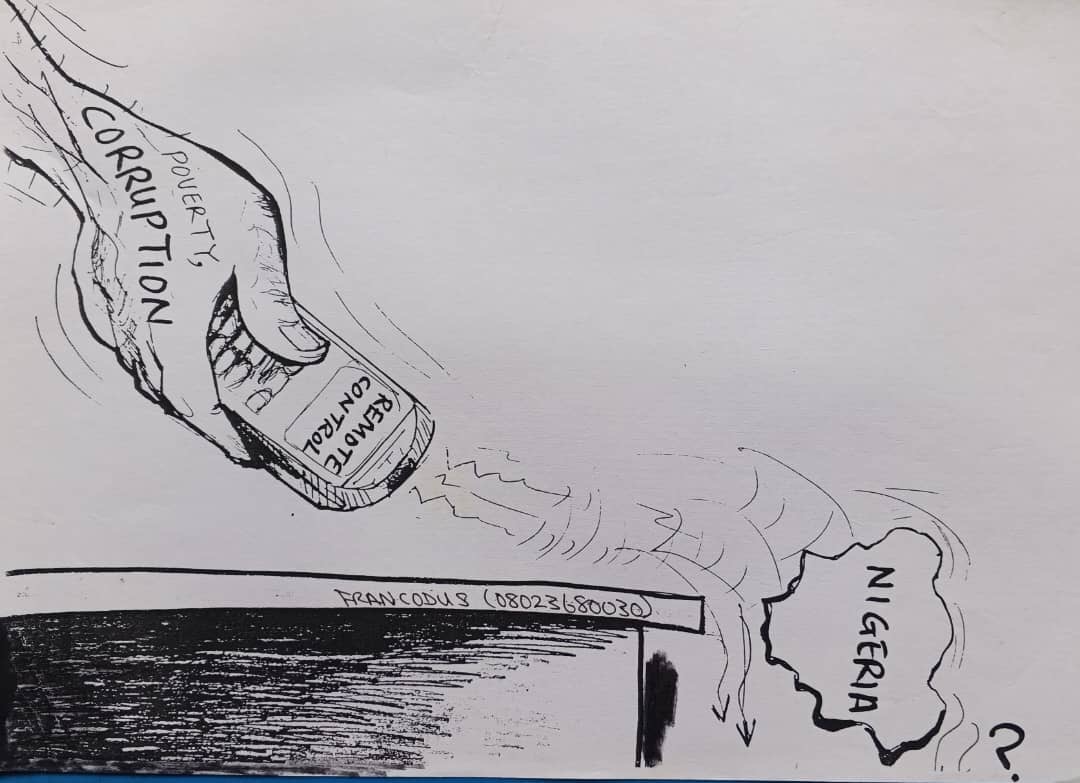
Let this not become another case where suspects “escape,” investigations “stall,” or prosecutions “collapse.” Let it instead mark a turning point, where criminal accountability triumphs over corruption, negligence, and political compromise.
The eyes of the nation are watching. The memory of Dr. Tahir Abu demands justice. The survival of Dr. Babatunde Abu deserves justice. And the conscience of Nigeria calls for a decisive end to the habitual pattern of arrest today, silence tomorrow.
This case must be different. It must be thoroughly investigated.
It must lead to comprehensive arrests. And it must culminate in real justice.
Anything less would not only dishonour the victims, but further erode the fragile trust Nigerians still place in their institutions.
_______________________________
Odaro, a columnist, lectures in the Department of Mass Communication, Auchi Polytechnic, Auchi.