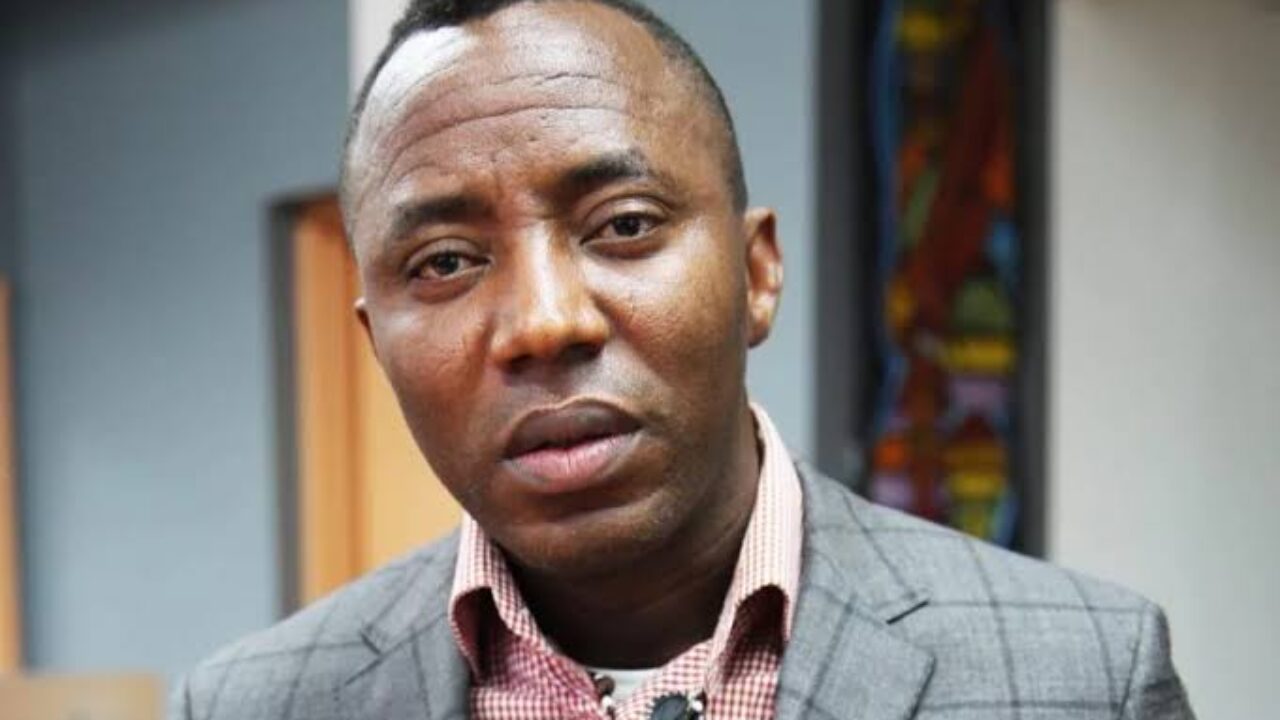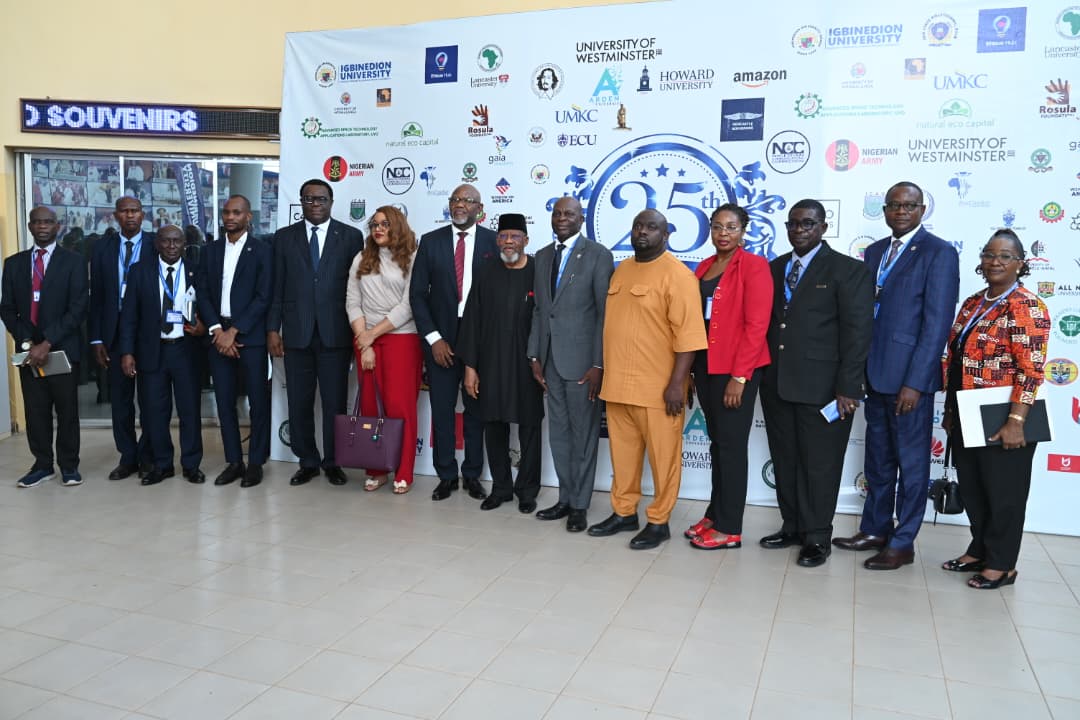
OKADA — The Vice-Chancellor, Igbinedion University, Okada (IUO), Prof. Lawrence Ezemonye, has called for the immediate establishment of a National Artificial Intelligence (AI) Computing Cluster to accelerate Nigeria’s research, innovation and digital competitiveness.
Delivering a keynote address at the AI Summit 2026 held at the university’s Library Conference Hall, Prof. Ezemonye proposed a centralised high-performance computing facility that would enable universities across the country to connect remotely and access the computational power required to train indigenous AI models.
He explained that such a shared national infrastructure would eliminate the heavy capital burden of individual institutions building and maintaining separate campus server farms, while positioning Nigeria to compete globally in AI research and development.
According to him, the initiative should be funded through a dedicated intervention by the Tertiary Education Trust Fund (TETFund) and strengthened through strategic partnerships with private-sector technology firms.
“We must incentivise the private sector. Tech giants extracting data from our digital space must be compelled, through policy, to reinvest in our physical layer,” he said.
The Vice-Chancellor further canvassed a “Compute-for-Access” policy framework, insisting that global technology firms seeking access to Nigeria’s vast market should be required to host part of their computing infrastructure within the country and operate under Nigerian jurisdiction.
In his goodwill message on the summit theme, “AI Dynamics and Ethical Considerations in Higher Education: The Global Shift and the African Reality,” Special Guest of Honour and AI strategist, Iroche Sunny, stressed that every global technological shift carries local consequences.
He observed that AI has moved beyond experimentation to become critical academic infrastructure in leading institutions across the United States, Europe, the United Kingdom and Asia.
“AI will not replace universities, but universities that ignore AI will be replaced,” Sunny warned, urging higher institutions to embrace the technology responsibly and strategically.
Panel discussions featured Dr. Darlington Onyeagoro, AI strategist and fintech innovator, who spoke on the dimensions of AI in academia; Ogbolu Ifeanyi, AI consultant and data analytics educator, who examined pedagogical inclusion and the role of AI as a teaching aid; Dr. Noel Saliu, former NUC Deputy Executive Secretary (Academics), who addressed AI in university governance and quality assurance; and Amb. Enaruna Imohe, former Director-General of the National Intelligence Agency, who spoke on policy direction and regulatory frameworks for AI in academia.
The panelists, while appreciating the university’s Founder and Chancellor, Sir Gabriel Igbinedion, the Esama of Benin Kingdom, challenged participants to rethink data-driven education within Africa’s unique socio-economic realities and offered a strategic roadmap for navigating the rapidly evolving AI landscape.
They underscored the growing centrality of AI literacy, describing it as becoming as fundamental as English literacy in defining competence within today’s knowledge economy.
At the close of the summit, Igbinedion University announced a series of institutional declarations, including a firm commitment to ethical AI deployment; mandatory disclosure protocols specifying the extent and purpose of AI usage; and a strategic shift towards becoming “architects of intelligence” rather than mere consumers of digital tools.
Other resolutions include the development of a regulatory AI handbook distilled from summit deliberations; phased mandatory AI training for staff and students through external consultants; and the introduction of a compulsory AI Applications and Ethics course for all 100-level students across disciplines.