… As Benue elders urge FG to declare state of emergency in Sankera
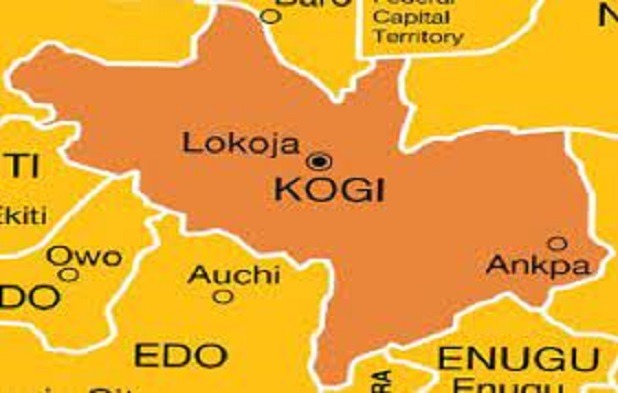
ABUJA: Edo State has reaffirmed its commitment to peacefully resolving the decades-long boundary dispute with Kogi State, following a high-level meeting convened by the National Boundary Commission (NBC) in Abuja.
The session, presided over by NBC Director-General Surv. Adamu A. Adaji, brought together federal agencies and state representatives to review progress and restart the stalled boundary monumentation exercise.
Edo State Deputy Governor, Hon. Dr. Dennis Idahosa, cited the 2006 mutually agreed boundary alignment as a strong legal and technical foundation for concluding the process.
The meeting resolved that the Surveyor-General of the Federation and the NBC would provide Edo State with large-scale maps to guide the exercise.
In addition, targeted community sensitization and enhanced security arrangements will precede the full resumption of monumentation, ensuring a lawful and smooth conclusion to the dispute.
The collaborative effort aims to finally end a conflict that has lingered for decades.
Meanwhile, elders from Benue State have called on the Federal Government to immediately declare a state of emergency in Sankera following renewed violence and escalating insecurity in the area.
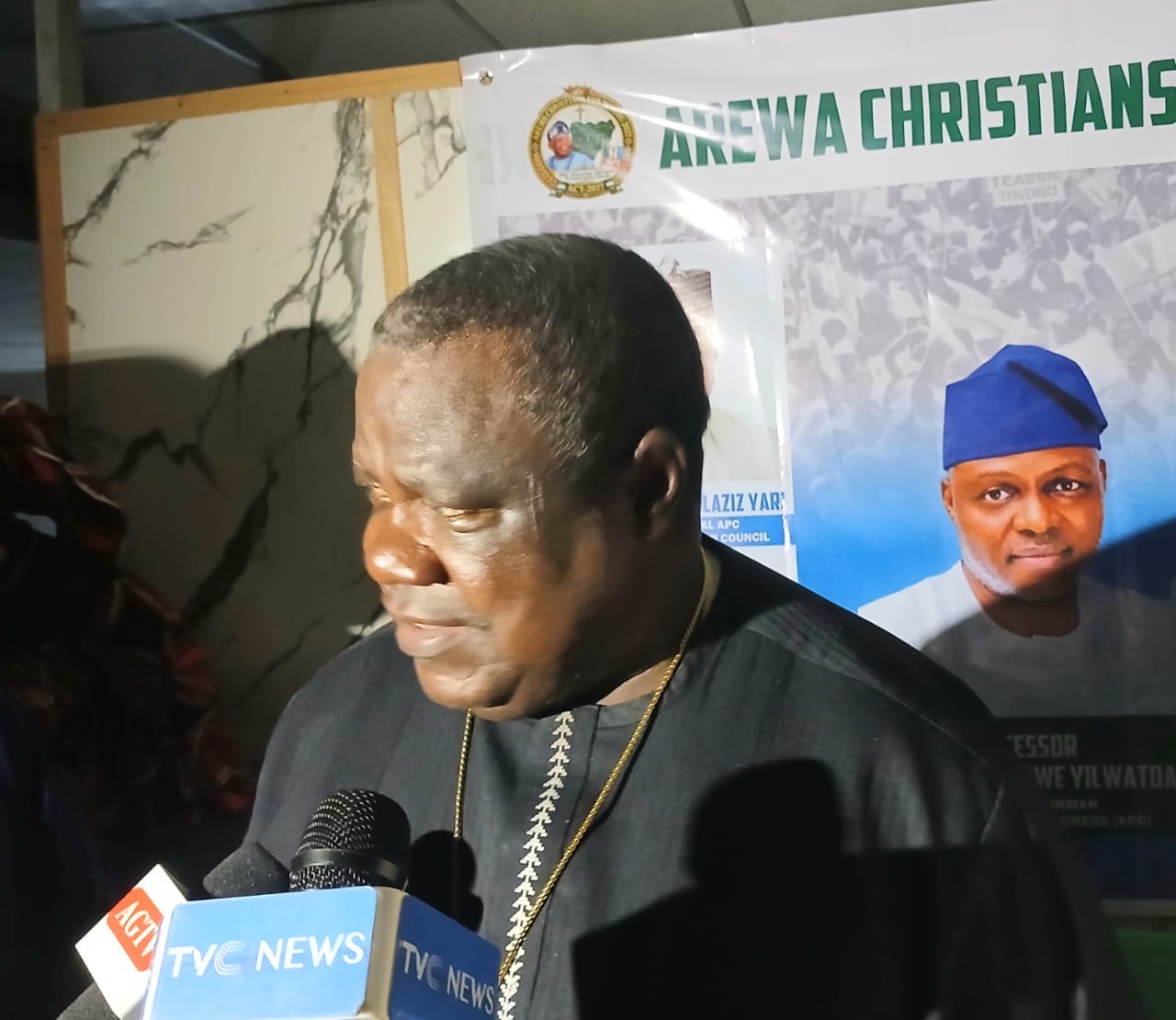
Speaking at a news conference in Abuja on Thursday, President of the African Leadership Institute, Prof. Iyorwuese Hagher, who addressed journalists on behalf of the group, urged the Federal Government to restore order and protect embattled communities through decisive intervention.
Hagher called for the deployment of sufficient, rights-respecting security forces to take full control of Sankera and halt the activities of bandits and terrorists. He also proposed the establishment of an independent judicial peace and reconciliation commission to investigate the root causes of the crisis, document atrocities, ensure accountability, and provide both retributive and restorative justice for victims.
He further urged the government to guarantee the safe return of internally displaced persons (IDPs) from Sankera to their ancestral homes and safeguard them from further attacks.
According to him, authorities must secure the vast ungoverned stretch between Kasar and Agu-centre by establishing a robust Army battalion in Kasar to deter criminal elements operating in the area.
Hagher also advocated a comprehensive resettlement programme, including the construction of new, modern towns in Sankera equipped with essential amenities such as schools, hospitals and police stations to rebuild shattered communities.
While pressing for urgent action, he commended the administration of President Bola Tinubu for partnering with the United States government to provide relief to victims of terrorism.
The group also appealed to international and regional bodies to intervene.
Hagher called on the African Union and the Economic Community of West African States to undertake an independent fact-finding mission to unravel the underlying causes of the Sankera crisis.
He further urged the United Nations Human Rights Council to urgently review the situation in Benue State, particularly in Sankera, and called on international humanitarian agencies to scale up assistance to displaced persons and host communities.
Citing Nigeria’s commitment to the Convention on the Prevention and Punishment of the Crime of Genocide, which the country signed on July 27, 2009, Hagher warned against silence and complicity in the face of mass atrocities.
“Official silence and denial of the Sankera crisis have deepened the wounds. Inadequate documentation has obscured the scale of the suffering, and political hesitation has prolonged it,” he said.
He disclosed that more than one million people have been displaced across Benue State, naming Gwer West, Gwer East, Guma and Agatu as among the worst-hit local government areas.
He described the devastation in Kwande Local Government Area as “a separate chapter of terror.”
Hagher also lamented that border communities such as Abande and Anwase, near the Cameroon border, had been overrun by armed bandits, forcing hundreds of thousands of residents into IDP camps or precarious host communities.
According to him, the humanitarian fallout has been severe.
He noted that UNICEF has reported alarming levels of malnutrition and stunted growth among children affected by the crisis.
The prolonged insecurity, he added, has led to the closure of nearly all schools and health facilities in Sankera for almost a decade, compounding the suffering of already traumatised communities.