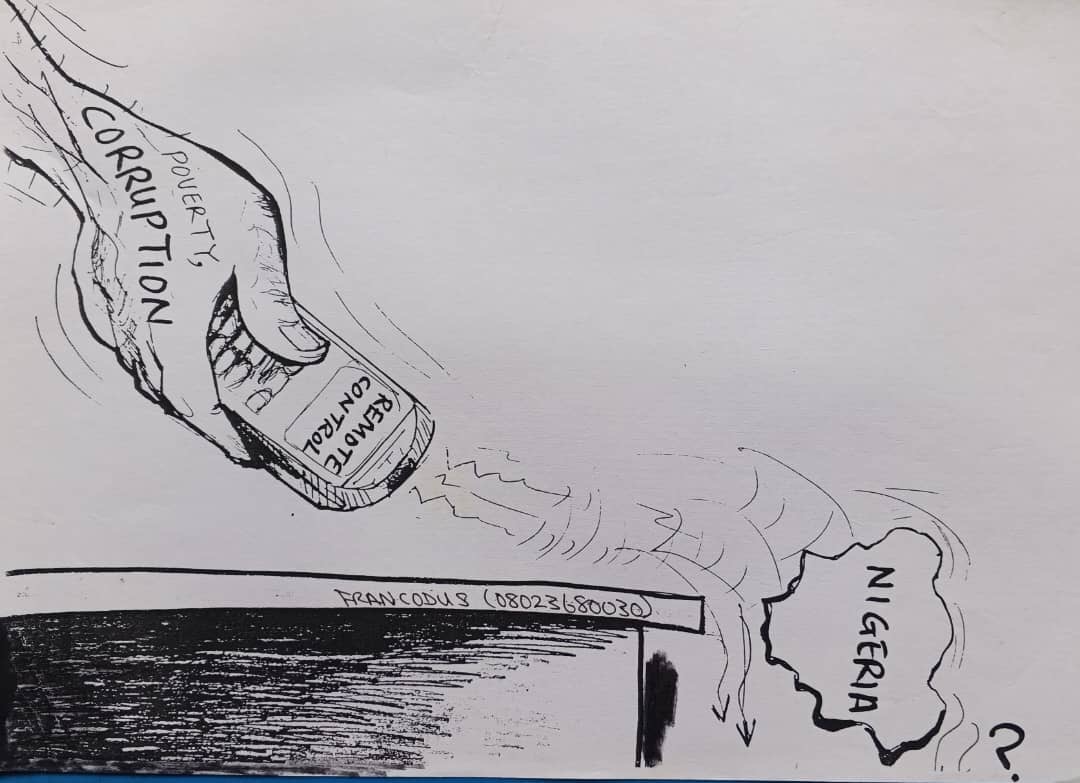
Public hospitals in Nigeria have suffered from recurrent strikes over the years and to a great extent, this has led to the disruption of healthcare delivery across the country.
These strikes are usually embarked by health care workers such as doctors, nurses, and other allied professionals to protest unresolved issues affecting their welfare and health system at large. While strike action is often described by unions as a last resort, its frequent occurrence has exposed a systemic failure in the structure and administration of Nigeria’s public health sector.
As strikes become frequent, the trust by the general public on the public health sector diminishes as it is significant to address the root cause of these reoccurring strikes and to find solutions in order to protect not just the right of public health workers, but also to safeguard the lives and wellbeing of many Nigerians who depend on public hospitals for health care.
*It started decades ago..*
Far back during the 1970s and 1980s after the Nigeria civil war, public hospitals expanded. but funding and staffing were inadequate as health care workers began experiencing dissatisfaction over low wages, poor facilities and heavy workloads and this led to strikes.
The introduction of the economic reform package which is Structural Adjustment Program(SAP) in 1986 which was intended to reduce cost of governance marked a significant turning point and also had negative effect on Nigeria public health system, as the policy carried core components which included reduced public health sector spending. This hampered the health sector in Nigeria as the health care budget was drastically cut and Public hospitals suffered from underfunding, poor infrastructure, lack of drugs and broken equipments.
Moreso, Public hospitals started to charge patients for services that were previously free or subsidized, which in turn, reduced access to health care for the poor, and people in rural settlements. Also, other polices emphasizing cost recovery, underfunding, workforce shortages has lead to general decline in the public health care sector and these challenges have resulted to strikes.
It should be noted that in the year 2025, the Nigerian Association of Resident Doctors (NARD), and National Association of Nigeria Nurses and Midwives(NANNM) are on record as unions that went on strike this year though both strikes have been called off. There were a number of strike actions that had happened every year as recent reviews show that an average of two strikes happens in the public health sector in a year.
*When public hospitals go on strike, who pays the price?*
‘’We were turned away’’ this is a comment from Miss Favour, who carried her father across many Hospitals in Benin-City as her father was on emergency as a result of organ failure and immediately needed medical attention. She narrated further that she took her father across many private hospitals in the city and all of the hospitals were referring her and the patient to the Teaching Hospital in the state which was on strike, and as they were moving around, the patient gave up. These are tragedies that have happened to many NNigerians across the country and its pivotal to note that the consequences of strike action in the public health sector carries a life or death consequence.
When embarking on strike by public hospitals, there is a closure of essential services, also maternity units, Maternity ward and surgical theatre are often affected. It’s also noted that there is a general denial of medical care as patients are turned away which becomes critical as the patient will therefore not receive timely treatment.
Furthermore, emergency cases, such as involving accident victims, stroke patients, patients with organ failure and those with severe infections suffer most as delays in emergency response often lead to preventable death. It’s also pivotal to note that strikes in the public health sector also result to pregnant women in labour lacking skilled medical assistance.
Also, in the aspect of medical training system, when there is strike in public hospitals, it results in the suspension of clinical training for medical interns. Strikes in the public heath sector also comes with social and psychological effects in the scenario of families experiencing trauma, grief and loss when they lose someone as a result of the strike by public healthcare workers, and also the public trust in the health care system will begin to deteriorate.
*The simple steps that could prevent public hospital strike and save lives*
It has been observed that policy failures has significantly affected the public health system that has resulted to public hospitals going on strikes a number of times. While we acknowledge the rights of health workers to demand better terms and good work conditions, it’s pivotal to note that given the essential nature of healthcare and the potential of loss of lives, all parties should seek resolution through negotiations rather than strike action, as closing down public hospitals leaves the most vulnerable with nowhere to turn to, as the priority should be on patients safety while resolving disputes.
The deterioration of the public hospitals that has led to several strikes has been on for decades and some of the solutions that could solve this long issue are the government focusing on the root cause of the strike, with primary focus on workers welfare and trust; as agreements shouldn’t be on paper only, there should be prompt payment of salaries and bonus, improvement in work conditions, as lack of these often also leads to brain drain. Countries like United Kingdom, Canada, France, and Australia, when their public health workers go on strike, they don’t completely shutdown public hospitals as they practice what is known as ‘minimum service’ which entails that emergency rooms, dialysis, cancer care and ICUs(life saving) services remain operational as negotiations is ongoing. It will be unprecedented if Nigeria health workers embrace this system. When a patient is denied a life saving medical attention, the outcome is more like a death sentence.
There should also be a change of mindset in addressing this systemic issues making public health workers go on strike as health care should be a national priority, not just on paper, but in reality, as no disagreement should cost a patient their life as public hospitals must remain functional at all times even during industrial disputes.