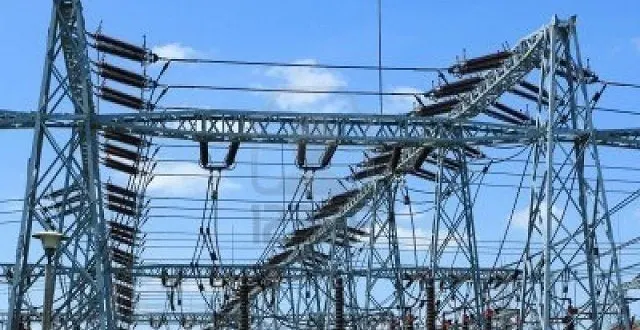
Electricity is the engine that drives modern economies, yet in Edo State, this vital resource remains unreliable, inconsistent, and inadequate. What should be a fast-growing economic hub in southern Nigeria is gradually being held back by persistent poor electricity supply.
This ongoing power crisis is no longer just a technical issue—it is a major economic setback that demands urgent attention from both the government and the public.
Across Benin City and other parts of Edo State, residents and business owners continue to endure frequent blackouts, erratic voltage, and prolonged periods without power.
These disruptions have become a daily reality, forcing individuals and businesses to seek costly alternatives. The heavy dependence on generators has significantly increased the cost of living and doing business, placing a severe burden on the people.
For small and medium-scale enterprises (SMEs), which form the backbone of Edo’s economy, the impact is devastating. Traders, artisans, and service providers—such as barbers, tailors, welders, and food vendors—are forced to spend a large portion of their income on fuel and generator maintenance. This reduces profitability, discourages expansion, and in many cases, leads to business closure. The result is rising unemployment and increased economic hardship among the population.
The manufacturing and industrial sectors are equally affected. Industries that rely heavily on constant power supply are unable to operate at full capacity. Production costs soar, output declines, and competitiveness weakens. Investors who would otherwise bring development and job opportunities to the state are discouraged by the unreliable power situation. Consequently, Edo State risks losing its attractiveness as a destination for investment.
Beyond business and industry, the effects of poor electricity supply extend to critical sectors such as healthcare and education. Hospitals struggle to provide efficient services as essential medical equipment depends on stable power. In emergency situations, power failure can lead to tragic consequences. Similarly, schools are unable to fully embrace modern teaching methods that rely on digital technology, thereby limiting the quality of education available to students.
The agricultural sector, which holds great potential for economic diversification, is also suffering. Farmers face challenges in processing, preserving, and storing their produce due to lack of electricity. This leads to significant post-harvest losses, reduced income, and increased food insecurity. In a time when agriculture should be a major driver of growth, poor power supply continues to undermine progress.
Despite the growing demand for electricity driven by population increase and urban expansion, infrastructure development has not kept pace.
Aging equipment, poor maintenance, and inefficiencies in power distribution continue to worsen the situation. While efforts have been made in recent years, they remain insufficient to meet the needs of the people.
However, this challenge also presents an opportunity for transformation. The Edo State Government, in collaboration with private stakeholders, must take decisive steps to address the power crisis. Investment in modern electricity infrastructure is essential.
Expanding and upgrading the power grid, improving distribution systems, and ensuring regular maintenance will significantly enhance supply.
In addition, alternative energy solutions such as solar power should be aggressively promoted. Edo State is blessed with abundant sunlight, making renewable energy a practical and sustainable option. Encouraging households and businesses to adopt solar systems through subsidies and incentives can help reduce reliance on the unstable national grid.
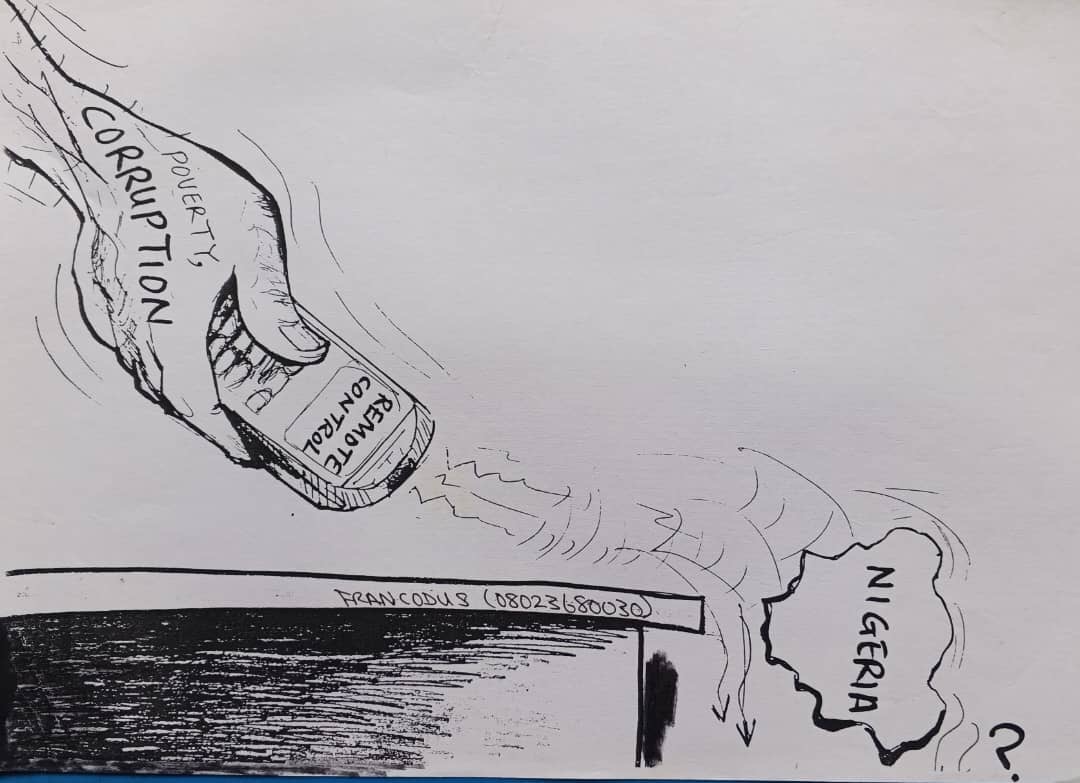
Transparency, accountability, and effective regulation in the power sector are also critical. Eliminating corruption, ensuring proper management of resources, and holding service providers accountable will improve efficiency and service delivery. Public awareness and community participation must also be encouraged to promote responsible energy use.
In conclusion, the issue of poor electricity supply in Edo State is not just an inconvenience—it is a serious economic threat. It affects every sector, limits growth, and reduces the quality of life for citizens. If left unaddressed, it will continue to hinder development and push the state further behind its potential.
The time for action is now. Government, private sector players, and the public must come together to confront this challenge with urgency and commitment. Edo State has the resources, the people, and the potential to thrive—but without reliable electricity, that future remains uncertain. Let there be light, so that Edo’s economy can shine and prosper