Nigeria and Morocco share a footballing history defined by talent, passion, and periods of underachievement. For years both were seen as African giants on paper. Yet in the last decade, their trajectories have diverged. Morocco went back to the basics and began rebuilding process quietly while Nigeria debated and speculated about getting things started. The difference is not talent. It is simply process and will.
Morocco had a decent domestic league for decades. Clubs like Raja and Wydad Casablanca were continental names, and their individual players thrived in Europe.
But from France ’98 to Russia 2018, the Atlas Lions missed four consecutive World Cups. That is 20 years in the wilderness. The problem was never a lack of footballers but getting the right men and vision to restructure its football.
Missing tournaments was not about “poor players.” It was about structure, administrative coherence, and player recruitment strategy. Without a system to identify, develop, and retain talent, even golden generations fade. Morocco admitted this publicly after 2018 and changed their course.
The failure to get out of the group at Russia 2018 became the catalyst. The Royal Moroccan Football Federation, FRMF, under Fouzi Lekjaa, treated it as an institutional reset and not just a coaching change. The mandate was simple: build from the bottom up, with a 10-year horizon.
Opened in 2009 but scaled aggressively post-2018, the Mohammed VI Football Academy in Salé became the centre-piece. It is a full-time residential school combining elite training with academics. UEFA-licensed coaches, sports science, nutrition, and psychology are standard. It is not a camp. It is a school for professional footballers.
FRMF also invested in mass coach education. Hundreds of local coaches were taken through CAF A, B, and UEFA-equivalent courses, and a unified curriculum was rolled out from U-13 to U-20. The goal was that every Moroccan youth team would play with the same tactical principles, regardless of the coach on the bench. Eric Chelle has been assigned the role of managing Nigeria’s National and Olympic teams. It is a welcome development but also an indictment of the quality of coaches in the country.
The Moroccan domestic league was pushed toward professionalism as well. Club licensing, stadium facility upgrades, better broadcast deals, and stricter financial oversight followed. Academies at Raja, Wydad, AS FAR, and RS Berkane were audited and supported. A decent league became a developmental league, not one run by politicians and unqualified administrators.
In the case of our country Nigeria, rhetorics remain in the front burner instead of action.
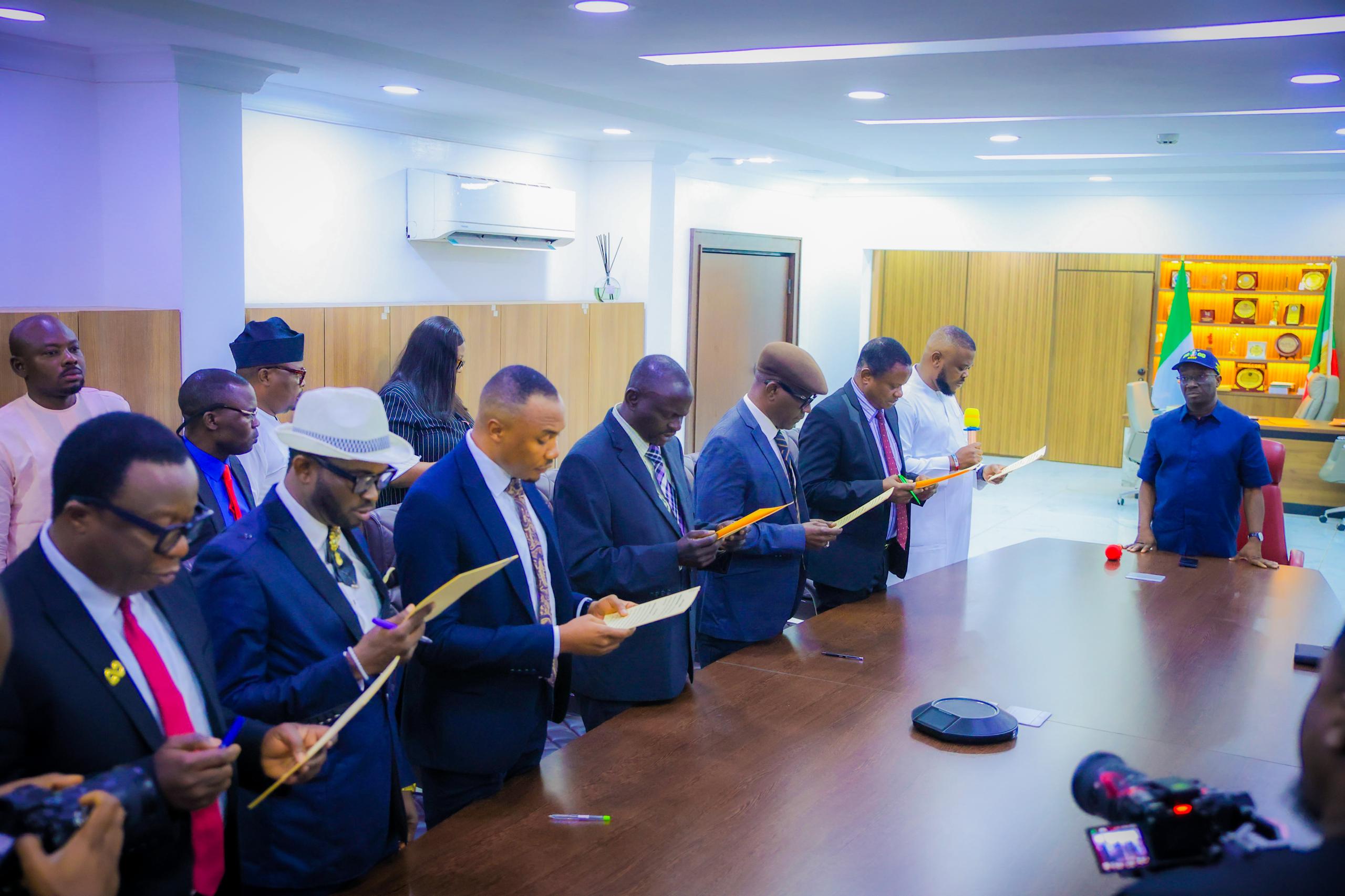
Recently, the Bayelsa State Government announced the sack of all coaches and players in one clean swoop. This is meant to be a sporting brand but is now run like a government parastatal. Haba! Kilode?!
Morocco stopped waiting for Europe-born players to “choose” them late. They built a proactive recruitment unit, with staff embedded in France, Belgium, the Netherlands, and Spain to track Moroccan-heritage players from U-15 level. Relationships were built with families early, not at senior-team crisis moments. The idea of using Morocco as a second option after waiting in vain is not tenable. In Nigeria’s case, players who wait for a few years to get the call-up of their country of birth will keep Nigeria as a second choice and jump on the train when they have passed their prime years. Shola Ameobi is a sad example of a player who kept waiting for England but didn’t show up until his glory years on the pitch had faded.
Identifying talent was only step one. FRMF invested in integration through language, culture, frequent youth call-ups, and clear pathways to the senior team. Players like Achraf Hakimi, Azzedine Ounahi, and Sofyan Amrabat did not feel like mercenaries. They felt like projects that matured.
Before the senior team’s success, the youth teams delivered proof of concept. Morocco U-23 won the 2023 U-23 AFCON. The U-17s reached the World Cup quarterfinals in 2023. The U-20s became consistent qualifiers. Winning at youth level built belief and created a pipeline, not just a squad. And the U-20 team won the World Cup in 2025, which marked a first World Cup win for Morocco at any age-group level in the country’s history.
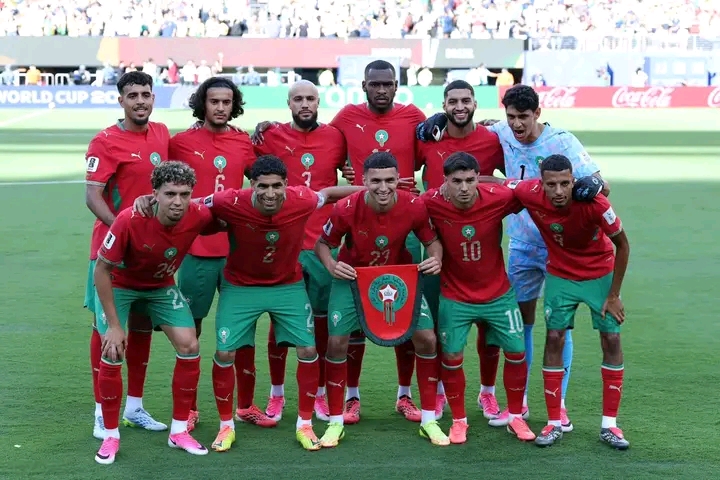
Walid Regragui’s 2022 World Cup team was not accidental. It was compact, athletic, and tactically disciplined. Morocco became the first African team to reach a World Cup semifinal. They did it with a clear plan: defend as a unit, fast transition , and rely on technically secure midfielders bred in the new system. Four years later they have maintained the same level of consistency with Mohamed Ouahbi, who took over from Regragui after failing in the AFCON final against Senegal.
Frequent federation sackings and coach churn stopped. FRMF gave technical staff time and targets. Budgets for youth tournaments, friendlies, and training camps were ring-fenced. In football, continuity is a competitive advantage that Nigeria has rarely enjoyed.
Morocco also invested in the women’s game. The Atlas Lionesses reached the 2023 Women’s World Cup knockout stage and hosted the 2022 WAFCON final. A rising women’s programme expands the talent base; improves coaching standards, and signals a federation thinking long-term.
From 2018 onward, Moroccan teams have integrated performance data, GPS tracking, and medical protocols at youth and senior levels. Injury management improved, player load was monitored, and small margins repeated across 500 players became a structural edge.
Clubs were not treated as adversaries. FRMF worked with Botola sides to protect young players from burnout and early retirement and unregulated transfers. Compensation mechanisms and solidarity payments were enforced. When clubs profit from development, they invest more in it.
Morocco’s leaders communicated a decade-long project. They did not promise instant World Cup glory after 2018. They promised better academies, better coaches, and better pathways. By 2022, the world saw the result. By 2023-2024, youth trophies confirmed the pipeline.
They did not blame the league for everything. They did not abandon Europe-based players. They did not rotate coaches every 12 months. They did not confuse “activity” for “progress.” They focused on fewer things, and did them well for longer.
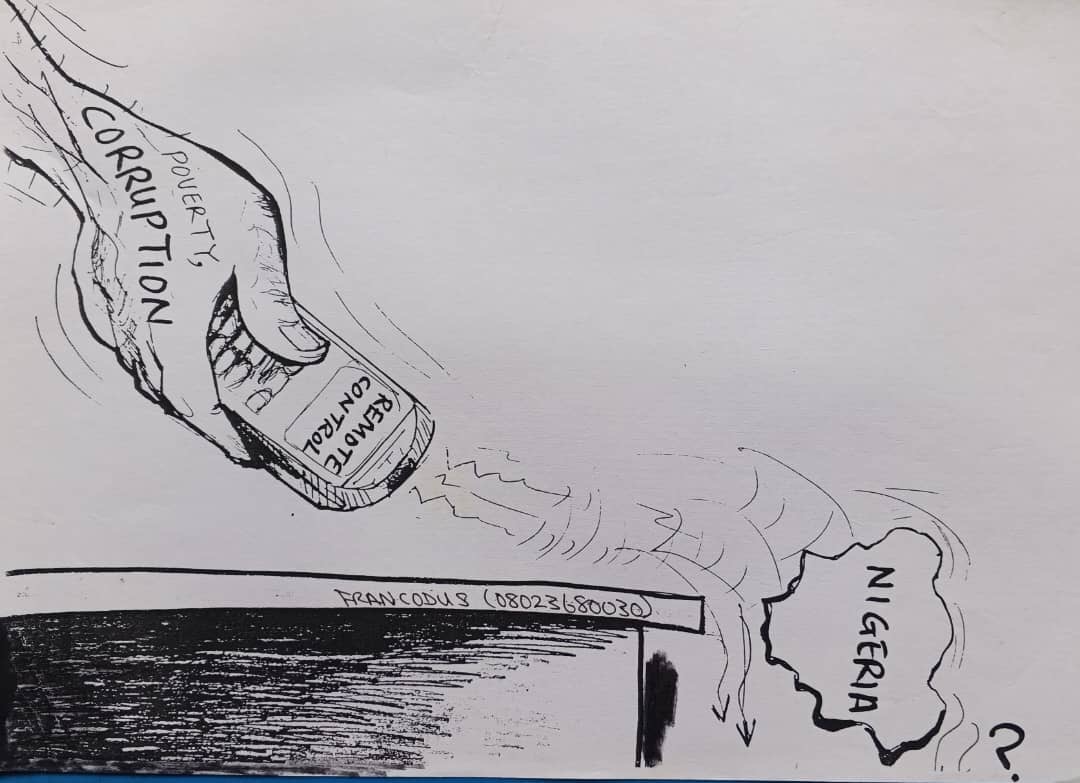
Nigeria has more registered players, more football history, and more global exports than Morocco had in 2018 but could not do much with the resources. What we lack is the same institutional patience and discipline. Our NPFL is underfunded, our academies are fragmented and used to trade players. Our diaspora engagement is ad hoc, and our technical plans rarely survive an election cycle.
The lessons Nigeria can take, starting now are clear. First, fund and audit 3-4 regional elite academies to Mohammed VI standards. Second, unify the youth curriculum and retrain coaches at scale. Third, create a dedicated diaspora unit that tracks U-15 to U-20 players early. Fourth, protect the NPFL with club licensing and broadcast revenue reforms. Fifth, give a technical blueprint of 8-10 years, not 8-10 months.
Morocco’s rise from 2018 to date is not magic. It is a design. A decent league did not make them a global force. Structure, administration, and deliberate recruitment did. If Nigeria remembers the process, and respects the timeline, the next 24 years do not have to look like the last 24. The talent is already here. The system must catch up. Time to act is now.