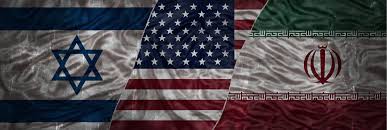
The US-Iran conflict is a complex and multifaceted issue, but the main crux of it revolves around Iran’s nuclear program and the US’s concerns about it. The US has been worried that Iran’s nuclear program is aimed at developing nuclear weapons, which it believes would destabilize the region and threaten global security.
In 2015, Iran and the P5+1 (US, UK, France, Germany, China, and Russia) signed the Joint Comprehensive Plan of Action (JCPOA), limiting Iran’s nuclear program in exchange for sanctions relief.
In 2018, the US unilaterally withdrew from the JCPOA and re-imposed sanctions on Iran, leading to increased tensions.
Iran has responded by increasing its uranium enrichment and imposing retaliatory sanctions.
The US and Iran have been engaged in a series of escalating actions, including military strikes, cyberattacks, and diplomatic tensions.
The conflict is also influenced by regional and historical factors, including:
Iran’s support for militant groups in the Middle East.
The US’s military presence in the region
Historical tensions between the US and Iran dating back to the 1979 Iranian Revolution
The US-Iran conflict has escalated with recent military strikes and diplomatic tensions. Here’s a breakdown of the latest developments:
US and Israeli Strikes: On February 28, 2026, the US and Israel launched strikes against Iran, targeting key officials, military commanders, and facilities. Iran responded with strikes against Israel and US military bases in the region.
Nuclear Talks: The US and Iran held indirect talks in Muscat, Oman, mediated by Oman’s foreign minister. The talks focused on Iran’s nuclear program, with the US demanding a permanent end to uranium enrichment and Iran seeking sanctions relief.
Military Buildup: The US has deployed aircraft carriers and warships to the region, while Iran has strengthened its air defense systems and increased military investments.
Economic Sanctions: The US has imposed new sanctions on Iran, targeting ships selling Iranian oil and funding Iran’s ballistic missile program.
The conflict’s impact on global oil prices and regional stability is significant. Experts warn that the situation could spiral into a prolonged regional conflict.
The US-Iran conflict is likely to have significant consequences on global oil prices. Here are some potential effects:
Price Surge: Oil prices have already surged above $100 a barrel due to the conflict, with Brent crude trading around $100.
– Supply Disruption: The conflict has disrupted global oil supply, with the International Energy Agency (IEA) expecting a drop of 8 million barrels per day in March
Increased Volatility: Oil markets are pricing in extreme swings in crude prices, with the CBOE Crude Oil Volatility Index soaring to its highest levels since 2020.
Inflation Impact: Higher oil prices could lead to increased inflation, affecting global economic stability.
Regional Impact: The conflict may affect oil production and exports in the Middle East, particularly in the Strait of Hormuz, a critical energy chokepoint.
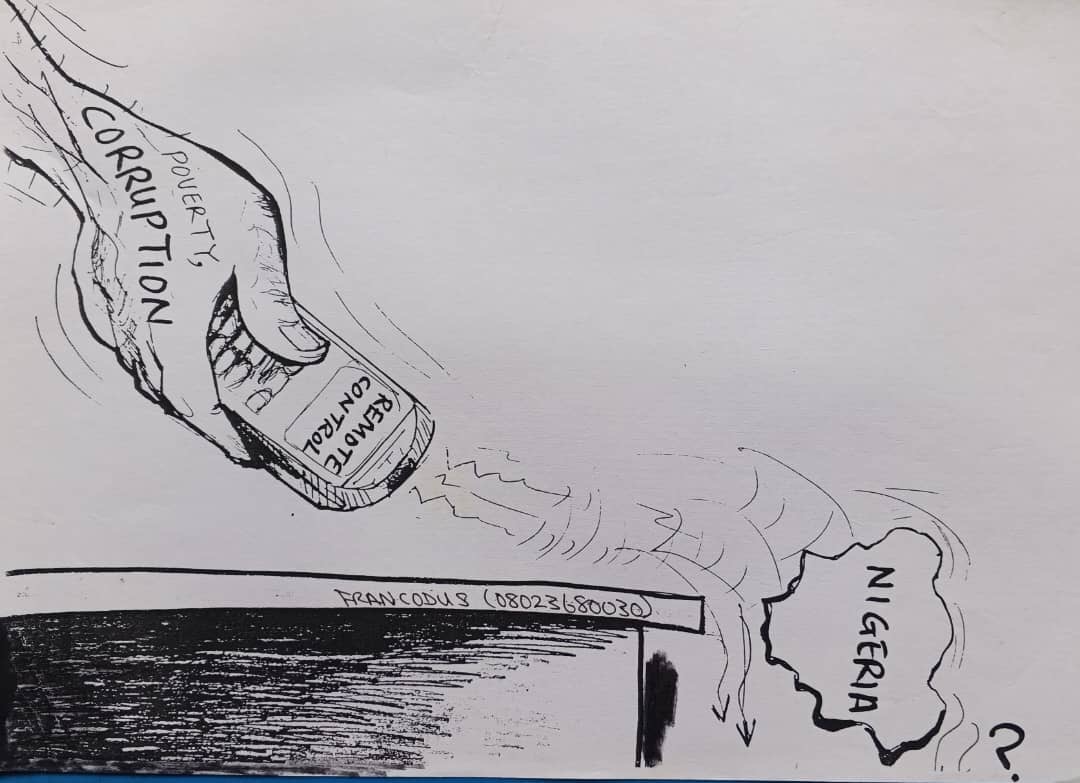
Nigeria’s economy, being oil-dependent, may face challenges due to the conflict. The Nigerian government is monitoring the situation and reviewing its oil market exposure.
The US-Iran conflict could significantly impact regional stability in the Middle East. Here are some potential effects:
Escalation and Proxy Wars: The conflict might escalate into proxy wars involving regional actors like Saudi Arabia, Israel, and Hezbollah, further destabilizing the region.
Increased Militancy: Iran’s support for militant groups could rise, leading to more attacks on regional targets and increased tensions.
Regional Arms Buildup: Countries might increase military spending and arms purchases, fueling an arms race and instability.
Humanitarian Crises: Conflict could lead to refugee crises, humanitarian emergencies, and increased human suffering.
Global Economic Impact: Disruptions to oil supplies and regional instability could affect global trade and economies.
The Middle East is already volatile, and this conflict could exacerbate existing tensions. Diplomatic efforts to de-escalate the situation are crucial.
The possible diplomatic solutions to de-escalate the US-Iran conflict include:
Ceasefire Agreement: Iran has proposed a ceasefire, but the US is hesitant to accept the terms.
Nuclear Negotiations: Talks between the US and Iran have focused on Iran’s nuclear program, with Iran proposing a three-step plan to limit enrichment in exchange for sanctions relief.
Mediation Efforts: Countries like Oman, Egypt, and the UAE are attempting to mediate between the US and Iran.
Regional Consortium: Iran has proposed a joint nuclear-enrichment project with regional Arab states and US investment.
Sanctions Relief: The US could lift some sanctions in exchange for Iran’s commitment to limit its nuclear program.
However, significant challenges remain, including:
Trust Issues: The US and Iran have deep-seated mistrust, making negotiations difficult.
Maximalist Demands: The US demands zero enrichment and full dismantlement, which Iran rejects.
Regional Tensions: The conflict involves regional actors, making a comprehensive solution complex.
The key sticking points in the US-Iran negotiations are:
Enrichment levels: The US demands zero enrichment, while Iran insists on its right to enrich uranium for civilian purposes, citing its sovereignty and the Nuclear Non-Proliferation Treaty (NPT).
Uranium stockpiles: The US wants Iran to eliminate or export its highly enriched uranium stockpile, while Iran is willing to limit enrichment levels and allow inspections in exchange for sanctions relief
Sanctions relief: Iran seeks effective and verifiable lifting of economic and financial sanctions, while the US is hesitant to provide relief without guarantees on Iran’s nuclear program.
Regional proxies and ballistic missiles: The US demands that Iran cease support for regional proxies and limit its ballistic missile program, which Iran views as a threat to its national security.
These issues are intertwined with broader concerns, including trust, verification, and the sequencing of concessions. The US and Iran have different expectations for the talks, with the US seeking a comprehensive agreement and Iran preferring a phased approach with confidence-building measures.
Regional actors like Saudi Arabia and Israel can significantly influence diplomatic efforts between the US and Iran.
Saudi Arabia has expressed support for ongoing negotiations, hoping to ease tensions and promote regional stability. The kingdom’s defense minister, Prince Khalid bin Salman, has urged Iran to take President Trump’s offer to negotiate a nuclear agreement seriously, citing the risk of war with Israel if talks break down.
Israel, on the other hand, is seen as a potential spoiler in the negotiations. Iranian officials have accused Israel of attempting to sabotage the process, and Israel has expressed concerns about Iran’s nuclear program and regional ambitions.
Saudi Arabia’s influence is driven by its strategic relationships with the US and its regional rivalry with Iran. The kingdom has been seeking to reduce tensions with Iran and has restored diplomatic relations after a China-brokered rapprochement in 2023.
Israel’s influence is largely driven by its concerns about Iran’s nuclear program and regional ambitions. The country has been vocal about its opposition to a nuclear deal with Iran and has taken military action against Iranian targets in the past.
Overall, Saudi Arabia’s support for diplomacy and Israel’s opposition to a nuclear deal with Iran are likely to shape the negotiations and influence the outcome.
A failed US-Iran diplomatic effort could have significant consequences, including:
Escalated Tensions: Increased military tensions, potential for conflict, and regional instability.
Nuclear Escalation. Iran might accelerate its nuclear program, potentially leading to a nuclear-armed Iran.
Regional Fallout: Increased support for militant groups, proxy wars, and humanitarian crises in countries like Yemen, Syria, and Lebanon.
Economic Consequences: Further economic sanctions on Iran, impacting global oil prices, trade, and regional economies.
Global Security Implications: Potential for nuclear proliferation, increased terrorism, and destabilization of the Middle East.
The consequences would depend on how the US, Iran, and regional actors respond to the breakdown in talks.
A failed US-Iran nuclear deal could lead to severe consequences, including:
Escalated Conflict: Increased military tensions, potential for conflict, and regional instability, with possible attacks on US and Israeli targets.
Nuclear Escalation: Iran might accelerate its nuclear program, potentially leading to a nuclear-armed Iran, triggering a regional arms race.
Economic Consequences: Further economic sanctions on Iran, impacting global oil prices, trade, and regional economies.
Humanitarian Crisis: Increased civilian casualties, displacement, and humanitarian emergencies in the region.
Regional Instability: Increased support for militant groups, proxy wars, and destabilization of the Middle East.
The consequences would depend on how the US, Iran, and regional actors respond to the breakdown in talks.
A breakdown in US-Iran nuclear negotiations could lead to varied international responses:
UNSC Involvement: The UN Security Council might impose additional sanctions or consider new resolutions, but faces challenges due to veto powers.
EU Sanctions: The EU could impose its own sanctions on Iran, targeting key sectors like oil and finance.
Regional Diplomacy: Countries like Oman, Qatar, or the UAE might mediate or facilitate backchannel talks.
Global Coalitions: Allies like the UK, France, and Germany could coordinate responses, while China and Russia might support Iran or counter Western moves.
Military Considerations: The US and allies might increase military presence in the region, risking escalation.
The international response would depend on the reasons for the breakdown and the positions of key players.